CAMP FOR SICK FORCED LABOURERS in north Blankenfelde

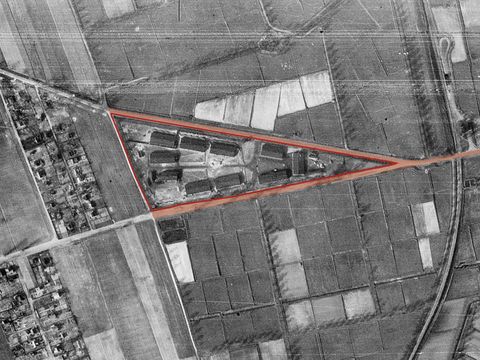
Photo of the barracks taken from the air by Allied Forces in April 1945

Photo of the barracks taken from the air by Allied Forces in April 1945

Between 1941 and 1945, a “camp for sick Eastern labourers unfit for work” was located in the area between the Bahnhofstraße, which ran from Blankenfelde to Lübars, and the Alter Bernauer Heerweg. The camp was filled with women and men from the Soviet Union who had been abducted from their homes to work as forced labour in Nazi Germany. Because their living and working conditions were so terrible, many forced labourers contracted tuberculosis of the lungs. Often under the age of 25, the forced labourers were then considered no longer fit for “employment,” and transported to the camp in north Blankenfelde. The original plan was to transport the inhabitants of the camp back to their homes, but the transports were soon cancelled. Catastrophic hygienic conditions, poor nutrition and a lack of medical care meant that many of those held here died, with at least 726 deaths documented to date.

For a short time after the war, the barracks were used for shelter by refugees. Between 1961 and 1989, the site was located within the border fortifications of the Berlin Wall. Until just a few years ago, the history of the camp and the fates of the people forced to live there in inhumane conditions had been suppressed and forgotten.

In 2009, inhabitants of Pankow and Reinickendorf started round-table discussions with the goal of working together to memorialise the history of the camp, eventually preparing the installation of this preliminary informative plaque. In April 2023, the site of the former camp for sick forced labourers in Blankenfelde was formally protected as a monument.
“No bathroom. No delousing station. No ways to disinfect. No medications. Diet consists of 300g of bread and 1 serving of rutabaga broth soup. There are no beds and no mattresses… when typhus broke out, the barracks were closed down, and anyone who dared show their face was shot without warning. In a best-case scenario, pregnant women are forced to give birth to their children on the floor, and otherwise on the ground. The only nourishment the newly born children receive is a quarter of a litre of milk spread out over five days.”
(Quote from a report by an employee of the German Foreign Office on the situation in the Blankenfelde camp, 1943).

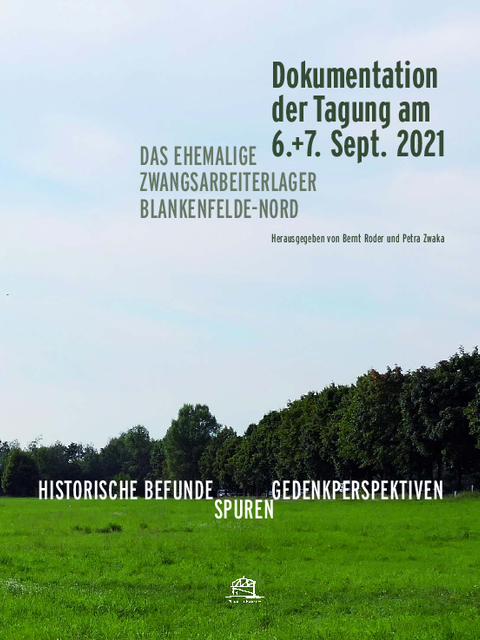
Das ehemalige Zwangsarbeiterlager Blankenfelde-Nord - Dokumentation der Tagung am 6.+7. September 2021

Additional information:

A publication titled “Das ehemalige Zwangsarbeitslager Blankenfelde-Nord, Dokumentation der Tagung am 6./7. Sept. 2021” (The former camp for forced labourers in north Blankenfelde, documentation of the conference on 6/7 September 2021) is available in the Museum Pankow.

Informative plaque, Krankensammellager in Blankenfelde-Nord

Informative plaque

Memorial plaque:

Installed 2012, refurbished and updated August 2024

German Translation

Museum Pankow

Head of museum:
Bernt Roder

Visitor support | Office:
Front building, 2nd floor | Zugang nicht rollstuhlgeeignet
Opening hours
Monday & Wednesday, 9.00-11.00 a.m. and Tuesday, 2.00-4.00 p.m.

Public transportation