About the Berlin Urban Nature Pact

Teaser About

What is the Berlin Urban Nature Pact?

Cities, as well as local and regional authorities, already play a key role in driving local action and are uniquely positioned to strengthen efforts to reverse biodiversity loss and promote urban nature. The Berlin Urban Nature Pact provides an opportunity for bold, local action while contributing to global targets.

The Pact seeks to halt and reverse biodiversity loss to put nature on a path to recovery for the benefit of people and the planet in cities worldwide by 2030 and beyond. Its objectives align with the Kunming-Montreal Global Biodiversity Framework, for example by supporting habitat restoration, improving the quality and connectivity of, and access to green and blue spaces, and promoting nature-based solutions.
What makes the Berlin Urban Nature Pact unique?

Compared to other initiatives the Pact is based on smart targets that is tailored to fit the urban context. It also not only focuses on environmental issues but also on how biodiversity can strengthen social and economic resilience; and that it was designed by cities, for cities, worldwide.

What is the background of the pact?

The Berlin Urban Nature Pact is an initiative of the Berlin Senate Department for Mobility, Transport, Climate Protection and Environment. Its objective is to realize the goals of the Kunming-Montreal Global Biodiversity Framework and the renewed Plan of Action on Subnational Governments, Cities and Other Local Authorities for Biodiversity (2023-2030) (PDF file, 219 kB) through local action. It aims to foster urban biodiversity and ecosystems through specific measures, building upon the Edinburgh Declaration (2020) and the Montreal Pledge (2022).

The Pact was initiated in 2022 in close collaboration with the German Federal Agency for Nature Conservation and the ICLEI European Secretariat, funded by Berlin Senate Department for Mobility, Transport, Climate Protection and Environment. More than 90 cities worldwide were involved in its development through a two-year consultation process, making it a city-driven initiative.

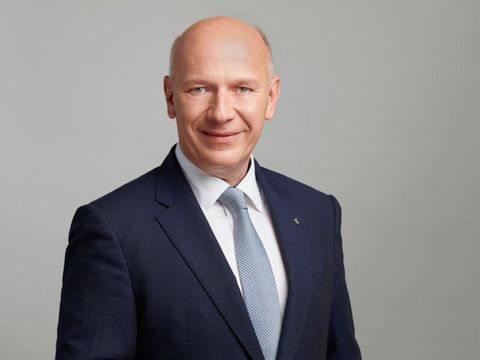
Kai Wegner

Mayor of Berlin, Kai Wegner

“Berlin is one of the most species-rich cities in Europe. With the Berlin Urban Nature Pact, we are promoting biodiversity and preserving it for future generations. In doing so, we are also ensuring the quality of life in Berlin. The Pact relies on concrete measures to make Berlin a model of sustainable urban development, and to inspire other cities around the world.”

Senatorin Ute Bonde

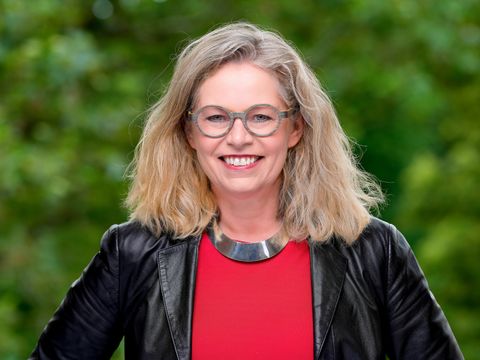
Senator for Mobility, Transport, Climate Protection and the Environment, Ute Bonde

“With the Berlin Urban Nature Pact we are sending a strong signal of support for the protection of our natural resources in cities. This Pact takes into account the understanding that we can only overcome the challenges of climate change and species extinction if we do it together, and with local commitment.”

What is the timeline?

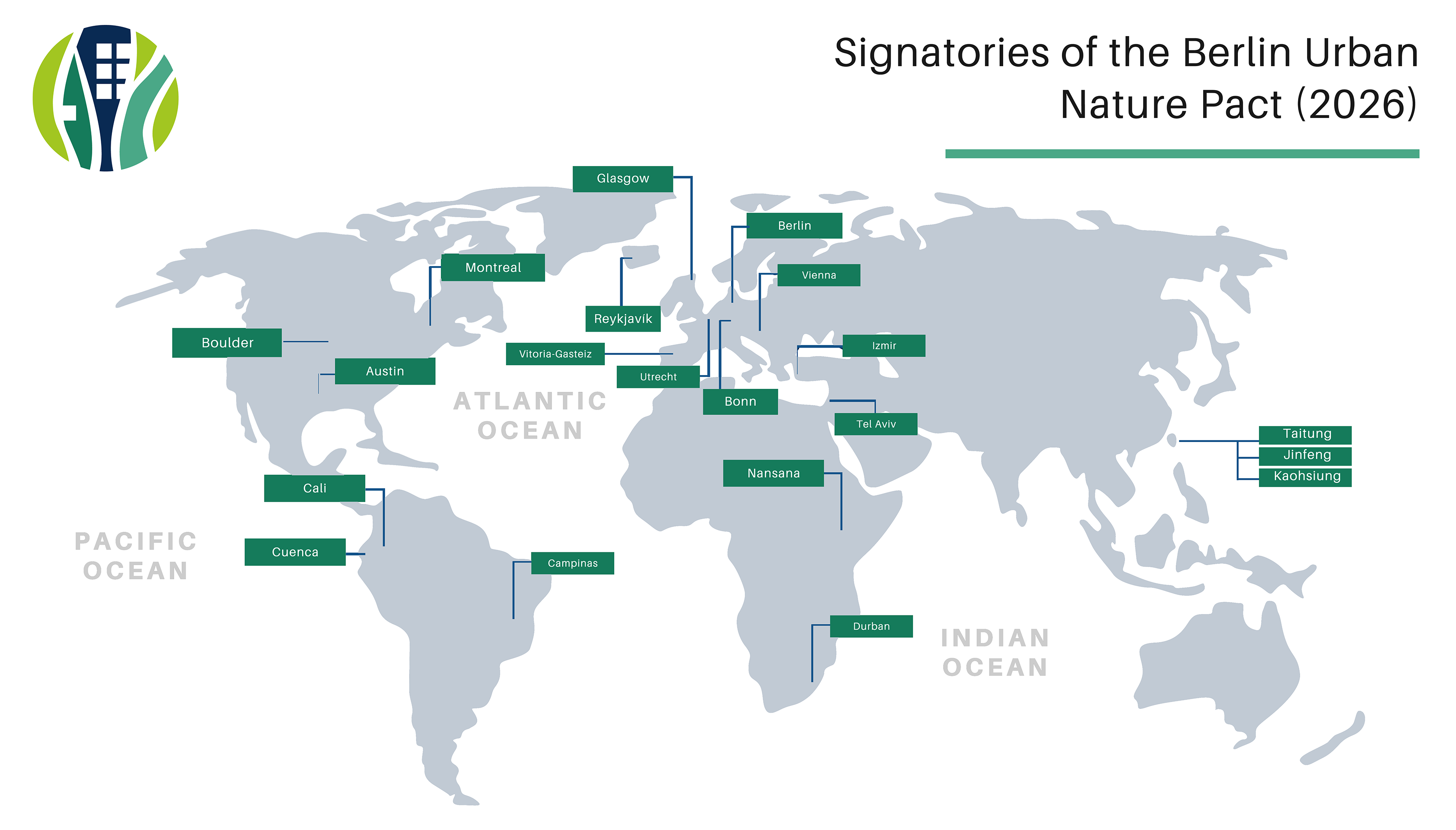
Since its official launch at CBD COP16, a growing number of cities, municipalities, and local and regional authorities have joined the Berlin Urban Nature Pact becoming official signatories to the PACT.

Timeline

  • Text description of the timeline

    Consultation Phase

    • 15 November 2021
      Online feedback workshop for selected cities in Central Europe
    • 24 November 2021
      Online feedback workshop for selected cities in Central Europe
    • 11 November 2022
      Online feedback workshop for selected cities around the globe
    • December 2022
      Introduction of the Berlin Pact at CBD COP 15
    • 27 April 2023
      Online feedback workshop for selected cities in Africa, Asia, Europe & Oceania
    • 3 May 2023
      Online feedback workshop for selected cities in the Americas
    • May 2023
      Online questionnaire open on draft Berlin Pact
    • Mid-May 2023
      Meeting with strategic partners
    • 5 June 2023
      Online feedback workshop for selected cities in the Americas
    • 6 June 2023
      Online feedback workshop for selected cities in Africa, Asia, Europe & Oceania

    Launch Phase

    • November 2023
      Online conference with initial signatory cities
    • 2024
      Official, high-level launch event at CBD COP 16

    Looking Ahead

    • 2030
      (End of current timeline projection)

What is the idea of the pact?

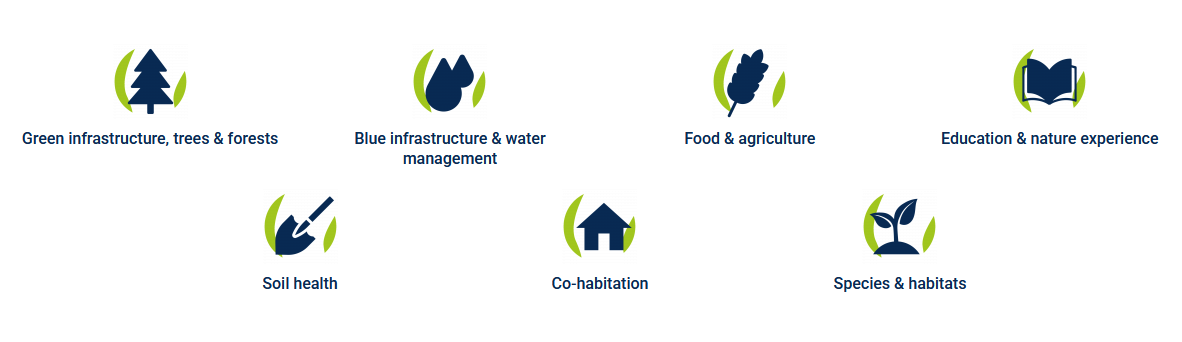
The Berlin Urban Nature Pact comprises seven target areas, underwhich 28 smart targets are specified. The seven target areas are:
1) Green infrastructure, trees and forests, 2) Blue infrastructure and water management, 3) Food and agriculture, 4) Education and nature experience, 5) Soil health, 6) Co-habitation, 7) Species and habitats.

Target Areas

How will the Pact be implemented?

Signatories will lead the path towards a nature-positive urban century by committing to at least 15 of the 28 targets.

The voluntary commitments of each city shall be based on local ecological distribution and political conditions, allowing for flexible priority setting. Continuous exchange between cities during the implementation enables mutual learning on dealing with challenges, good practices, and capacity building for cities and local authorities.

Downloads

  • Berlin Urban Nature Pact

    in English (205 kB)

    PDF-Document

  • Berlin Urban Nature Pact

    in German (214 kB)

    PDF-Document

  • Guidance Document

    in English (472 kB)

    PDF-Document