Search
Dates, information and advance booking of tickets for almost all events in Berlin. For many performances you can choose your seat in the seating plan.
100+ events
© Zitadelle Berlin, Foto: Friedhelm Hoffmann
© Foto: Staatliche Museen zu Berlin, Kunstgewerbemuseum / Stephan Klonk © Verner Panton Design AG © VG Bild-Kunst, Bonn 2026
Few have so fundamentally revolutionised our concept of living as Danish designer and architect Verner Panton (1926‒1998). Including more than 100 exhibits, the presentation commemorates the designer’s 101st birthday, inviting visitors to use all their...
moreabout: Verner Panton – World of Colours
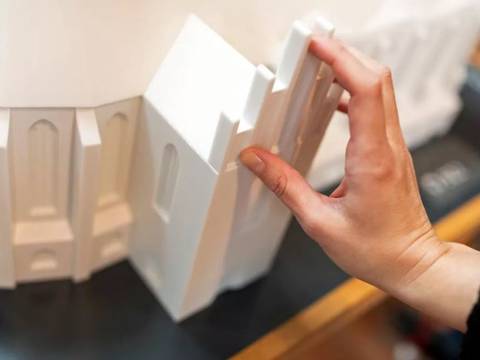
© Stadtmuseum Berlin | Foto: Michael Setzpfandt
Five tactile architectural models in the Museum Nikolaikirche make the building’s layout and design tangible for blind, visually impaired and sighted people.
Located at two stations in the museum, high-quality 3D models allow visitors to explore the...
moreabout: Conceiving Architecture
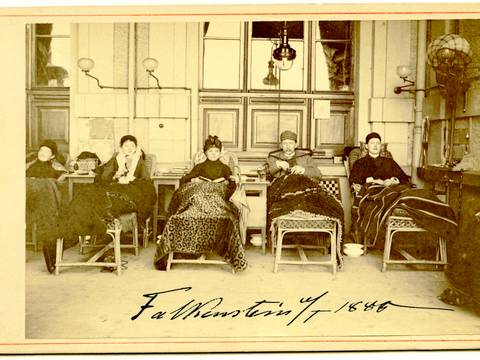
There is nothing we associate more with being sick than lying in bed. This exhibition "Horizontal: Politics and Poetics from the Sickbed" explores how perception and our connection to the world change when the bed becomes the center of our lives.
moreabout: Horizontal: Politics and Poetics from the Sickbed
© Gedenkstätte Stille Helden
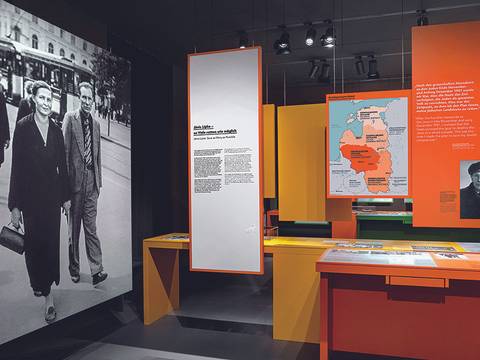
The permanent exhibition tells the story of those people who stood by persecuted Jews in Germany and in German-occupied Europe during National Socialism. It informs about the predicament of the persecuted in the face of the threatening deportations as...
moreabout: Silent Heroes Memorial
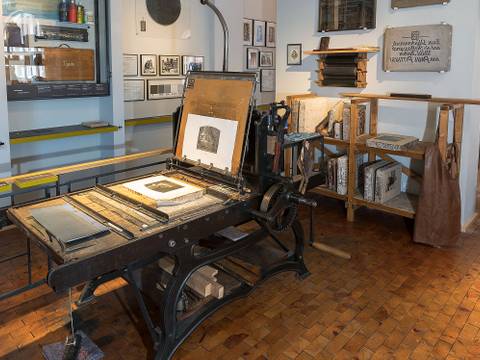
The permanent exhibition Printing Technology is a lively place of learning with hands-on exhibits, multimedia offerings and demonstrations. Covering 200 square metres, it illustrates the development of printing techniques since the innovations of Johannes...
moreabout: Printing technology
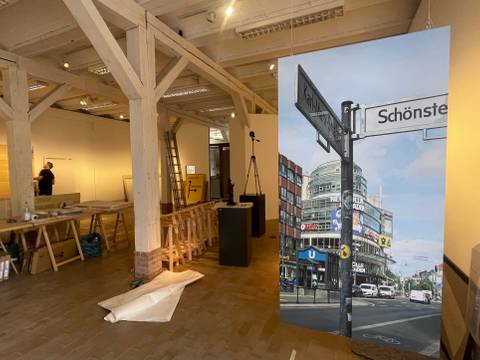
How did Karl Marx end up on a Neukölln street sign—twice? Why is Germany’s first “women’s district” located in Neukölln, of all places? And who exactly are Mining and Lining?
Our new exhibition explores the streets of Neukölln. We provide insight into...
moreabout: Renaming – Neukölln and Its Street Names
© SPSG / Foto: Daniel Lindner
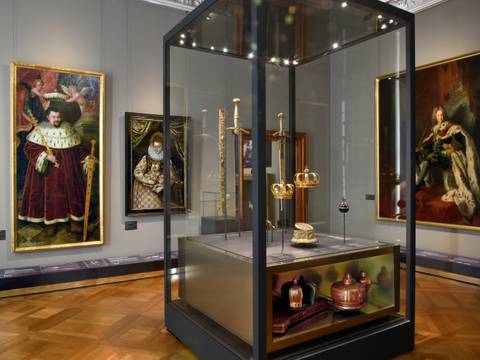
The new permanent exhibition at Charlottenburg Palace presents various aspects of the Hohenzollern dynasty's centuries-long rule
For the first time, the SPSG is focusing on the Hohenzollern dynasty in a permanent exhibition that can be seen in the rooms...
moreabout: The Prussian Royal Family
© Mirae kh Rhee / Foto: Aleks Slota
What do we see in museums? In vitrines and behind barriers, objects appear, above all, static. Mirae kh Rhee explores how these objects arrived at their current locations. The artist questions who collects (or collected) what and why, and what messages...
moreabout: Mirae kh Rhee: Hand-Me-Down
© Agentur für Geistige Gastarbeit, Bonn | Gestaltung: Groupe-Dejour
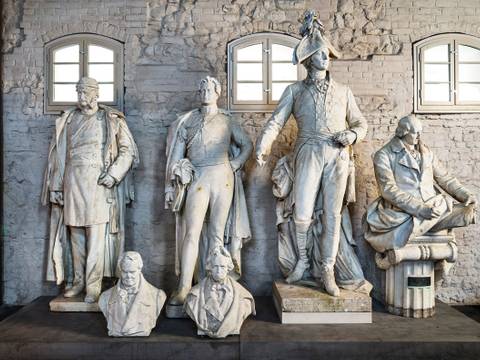
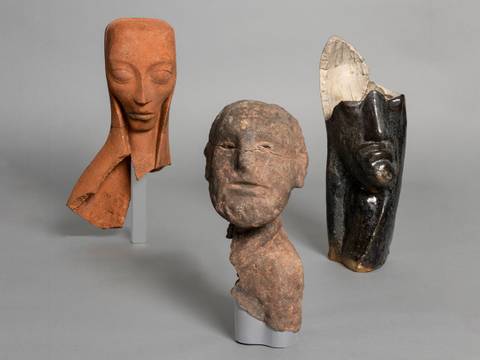
© Staatliche Museen zu Berlin, Museum für Vor- und Frühgeschichte / Andreas Henkel
Archaeological excavations conducted in front of the Rotes Rathaus in 2010 unearthed a real surprise. A total of 16 sculptures from the Classical Modernist period were recovered from a basement filled with bomb debris. Soon after their recovery, it became...
moreabout: Sculpture Discovery in Berlin
© Thomas Billhardt, Camera Work Gallery
© Foto Schlegel, Digitalisat: A. E. Witte
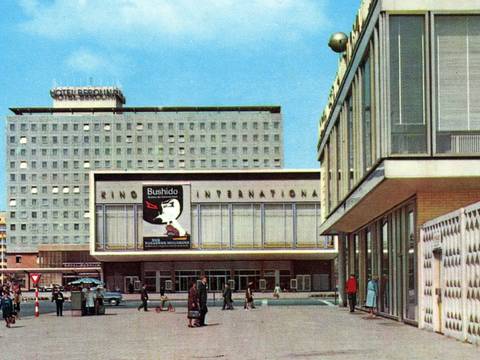
Josef Kaiser is considered one of the most influential architects of the GDR. For the first time, this exhibition explores his life and work through drawings, photographs, films, and models, shedding light on political and aesthetic tensions.
moreabout: Josef Kaiser: Building for the GDR
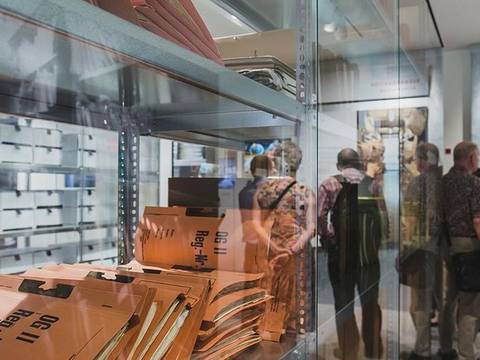
Why and in what way did the Stasi store and process all the information? Why do the files still exist today, what do they contain and what can they show?
moreabout: Access to Secrecy
© Courtesy Sexauer Gallery
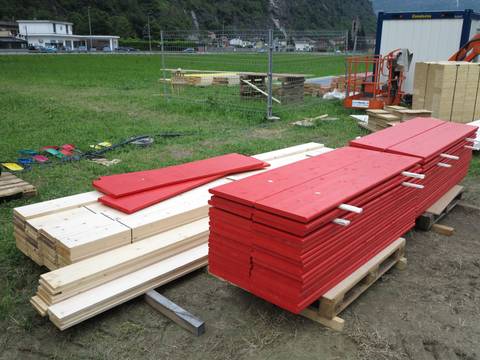
A circle, a knot, a grid: The exhibition invites visitors to discover simple shapes. Red-painted benches, pink neon, and a hundred colorful ink drawings transform the space into a playful experience that blends seeing, sitting, and marveling!
moreabout: Kerim Seiler: Der Titel kommt zuletzt
The help page for the event calendar answers common questions..
Information about coperations and imprint can be found on our page about partners and terms and conditions.