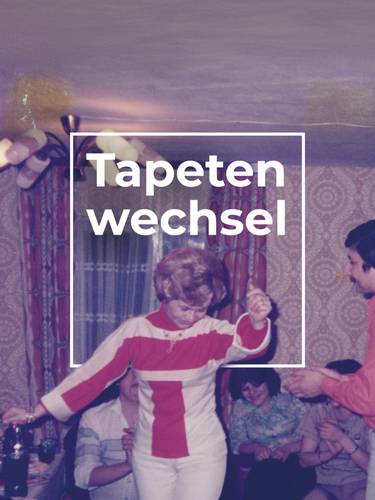
How do people settle in to makeshift spaces? And how do furnishings and tastes reflect the process of settling in?
Habitation is a basic human need. Apartments are storehouses for memories and an expression of our own self-image. Migration makes habitation difficult. The process is marked by departures and arrivals, by resourcefulness and workarounds.
When the war ended in 1945, sizeable swathes of Germany’s housing had been destroyed. Following their “change of scene,” migrant laborers to West Germany between the 1950s and the 1970s sometimes found themselves sleeping on park benches. Their “apartments” were garden sheds, barracks, or camps once used for wartime forced labor. The era of “guest labor,” or immigrant workers in Germany was characterized by hostels surrounded by barbed wire, condemned buildings, and cramped rooms. And the housing for the contract workers in East Germany in the 1980s could be described as home-less homes, as the antithesis of homey. Much like the housing for asylum seekers in the reunited Germany of the 1990s.
Migration also means furnishing a room, setting up a table, hanging a curtain. But the sofa, the TV, the shelves, the rubber plant are more than just things. They also denote social standing. The political dimension of a habitation is made visible in the lease, in letters, or in the house rules. At the same time, the daily practice of living can create a home even under difficult circumstances.
The exhibition “Tapetenwechsel – Migration and Furniture since 1960″is part of a focus on the history of migration at the Berlin Stadtmuseum. Another part of that is the exhibition opening on September 10, 2026 called “Geteiltes Leben“, also at the Museum Ephraim Palais. It will showcase artwork in the context of migration and exile since the 1970s.
Guest Curators: Burcu Dogramaci und Manuel Gogos
Runtime: Fri, 22/05/2026 to Sun, 03/01/2027