© dpa
Weekend Tips: What to Do This Weekend in Berlin
September 25 to 27, 2026: Events, festivals, exhibitions and more things to do for your perfect weekend in Berlin. more

Die Ausstellung schlägt Brücken zwischen Tradition und Moderne, Ideologie und Realität, einstigem und heutigem textilen Upcycling.
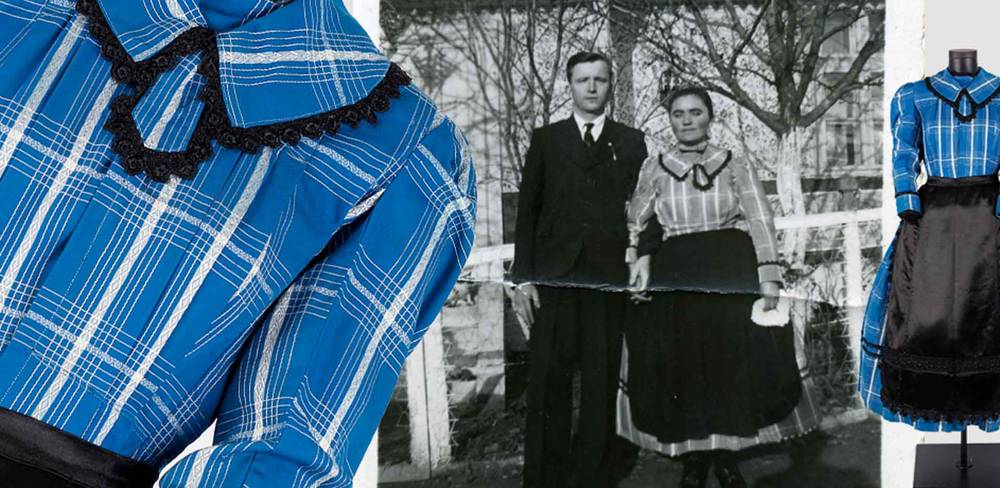
Alltagskleidung der Bauerntochter Elisabeth Märcz, aus Blaudruckstoffen von ihrer Mutter genäht, Murga / Murgau (Ungarn) um 1942.
© Donauschwäbisches Zentralmuseum (DZM) / Oleg Kuchar
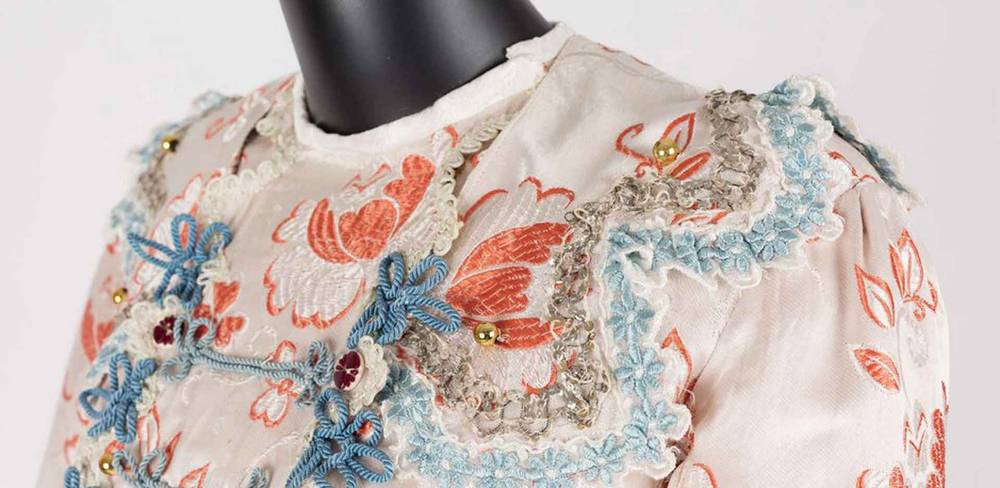
Detail der Sonntagskleidung der Bauerntochter Elisabeth Weiss, getragen in Kéty / Giek (Schwäbische Türkei, Ungarn) 1942.
© Donauschwäbisches Zentralmuseum (DZM) / Oleg Kuchar
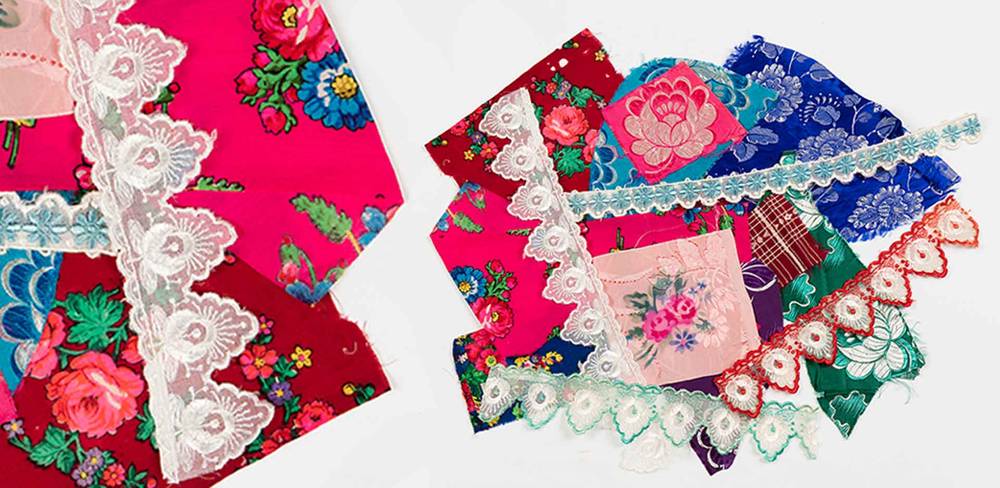
Stoffreste, übriggeblieben beim Umnähen der mitgebrachten, in Deutschland zu auffälligen Röcke.
© Donauschwäbisches Zentralmuseum (DZM) / Oleg Kuchar
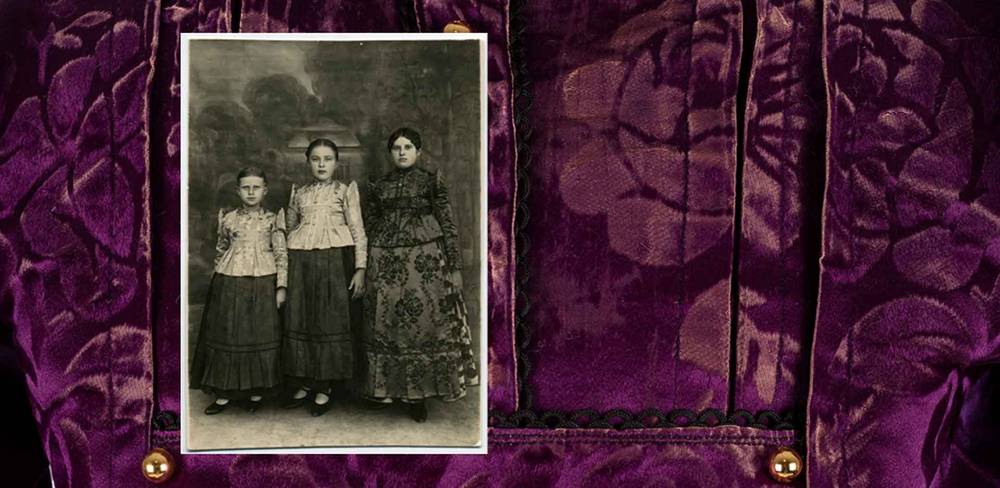
Festtagstracht der Bauerntochter Katharina Ackermann, Kljajićevo / Kernei / Kerény (Jugoslawien, heute Serbien) um 1933.
© Donauschwäbisches Zentralmuseum (DZM) / Oleg Kuchar
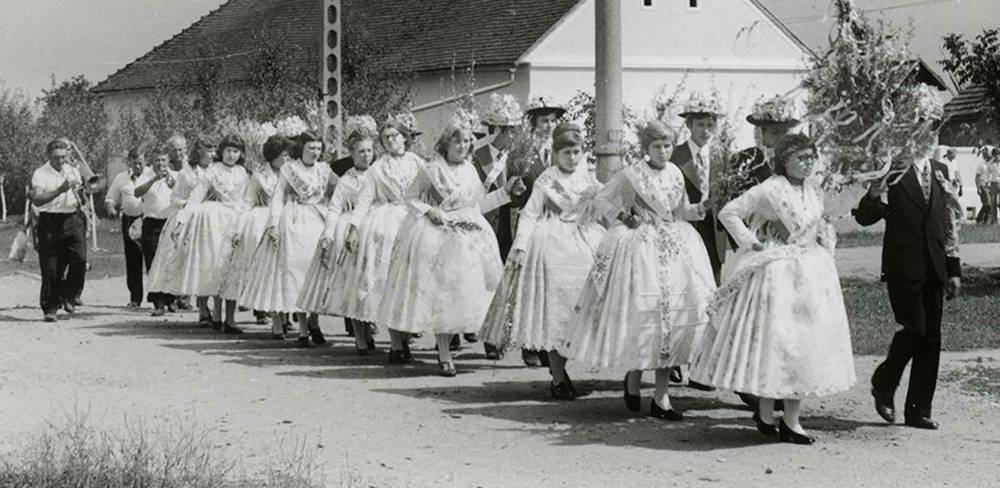
Kirchweih-Umzug junger Paare in Neudorf (Banat, Rumänien), 1976.
© Donauschwäbisches Zentralmuseum (DZM)
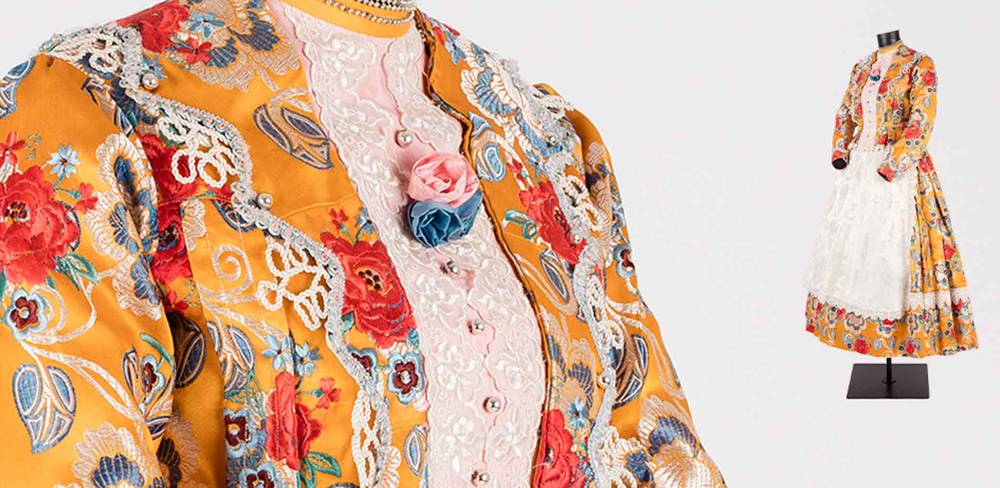
Mädchen-Festkleidung mit „Bauern-Brokat““ von Katharina Just in Kéty / Giek (Ungarn) um 1943.
© Donauschwäbisches Zentralmuseum (DZM) / Oleg Kuchar
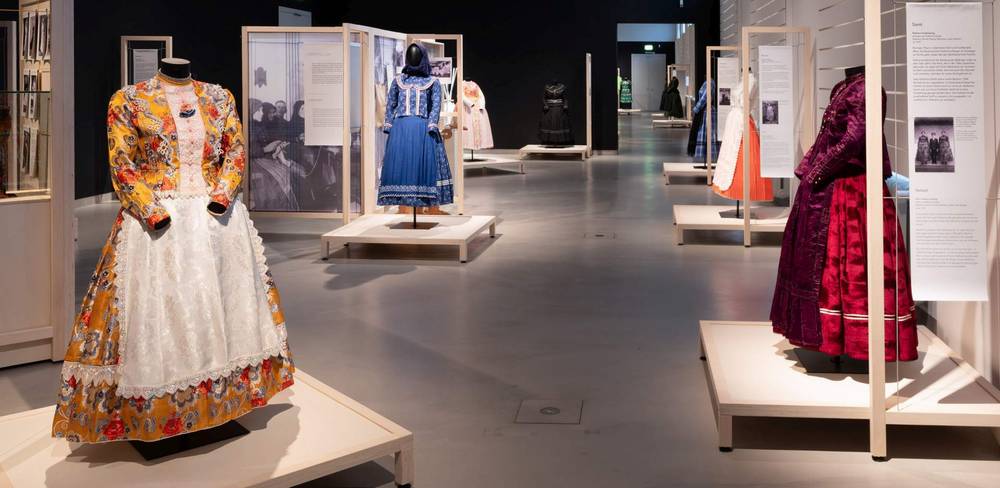
Ausstellungsansicht „Schwerer Stoff“
© Staatliche Museen zu Berlin, Museum Europäischer Kulturen / Christian Krug
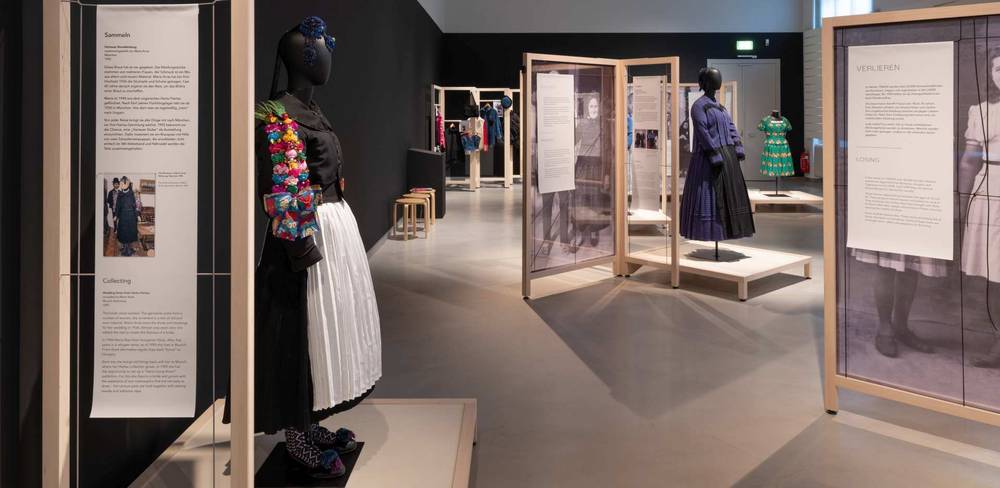
Ausstellungsansicht „Schwerer Stoff“
© Staatliche Museen zu Berlin, Museum Europäischer Kulturen / Christian Krug
Runtime: Fri, 24/04/2026 to Mon, 29/03/2027
Takes place here:
© dpa
September 25 to 27, 2026: Events, festivals, exhibitions and more things to do for your perfect weekend in Berlin. more
The help page for the event calendar answers common questions.. Information about coperations and imprint can be found on our page about partners and terms and conditions.