© dpa
Weekend Tips: What to Do This Weekend in Berlin
September 18 to 20, 2026: Events, festivals, exhibitions and more things to do for your perfect weekend in Berlin. more

© dpa
September 18 to 20, 2026: Events, festivals, exhibitions and more things to do for your perfect weekend in Berlin. more
Key Visual Gästezimmer – Key Visual Gästezimmer
© Stiftung Humboldt Forum im Berliner Schloss / Staatliche Museen zu Berlin, Ethnologisches Museum und Museum für Asiatische Kunst / Foto: Petra Kübert
© Staatliche Museen zu Berlin, Museum Europäischer Kulturen / Ute Franz-Scarcigalia; CC NC-BY-SA
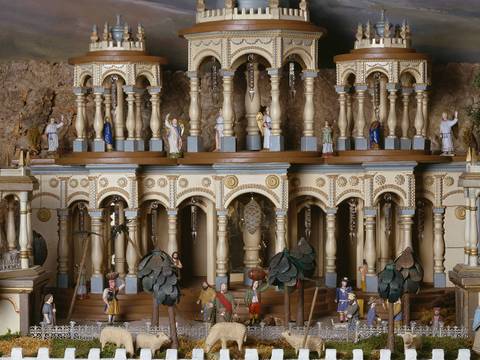
One highlight in the permanent exhibition at the Museum of European Cultures is the mechanical 'Weihnachtsberg', a giant nativity scene set in a hillside town that originates from the Erzgebirge, near the border of Germany and the Czech Republic, in the... moreabout: The Giant Mechanical Nativity Scene from the Ore Mountains
© Staatliche Museen zu Berlin, Museumfür Vor- und Frühgeschichte / Juliane Eirich
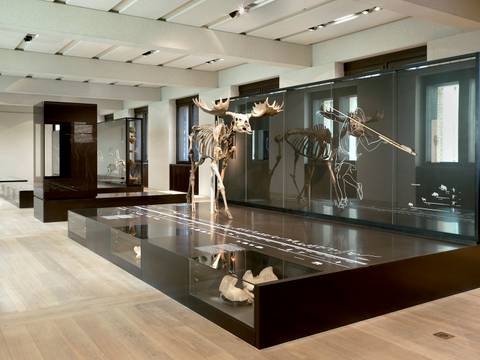
On the upper floor, the 'Museum of Prehistory and Early History' takes visitors on a tour through the oldest eras of human history. With its unique collections on the prehistory and ancient history of Europe and near-lying regions of Asia, the museum... moreabout: Back! Stone Age. Bronze Age. Iron Age
© Staatliche Museen zu Berlin, Kunstgewerbemuseum / Fotostudio Bartsch, Berlin
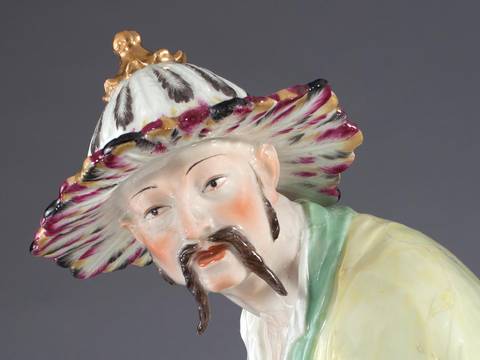
The eighteenth century was the century of porcelain. Princes, aristocrats and the well-to-do bourgeoisie were absolutely addicted to this “white gold”. People would even speak of the maladie de porcelain. Those who couldn’t afford genuine porcelain turned... moreabout: The Worlds of Rococo
© dpa
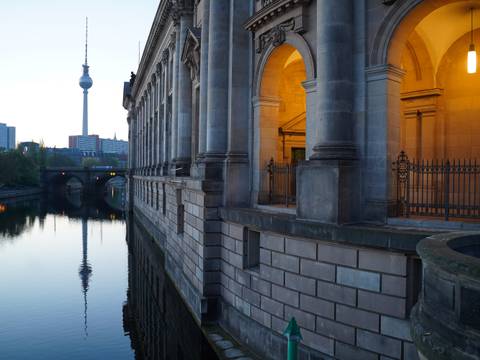
A cooperation of Berlin's Gay Museum and the Bode Museum, "All Forms of Love" casts a second look on works in the Bode collection that deal with the diversity of sexual identities and LGBTIQ life in art from previous eras. moreabout: The Second Glance: All Forms of Love
© Körperwelten Berlin
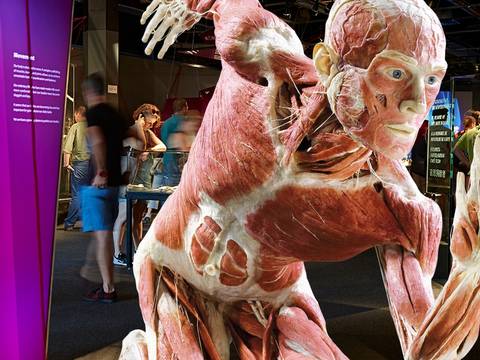
Die Ausstellung Körperwelten im Menschen Museum in Berlin widmet sich dem Thema "Facetten des Lebens". moreabout: Körperwelten Berlin
The help page for the event calendar answers common questions.. Information about coperations and imprint can be found on our page about partners and terms and conditions.