To commemorate the 300th birthday of Thomas Gainsborough (1727–1788), the Gemäldegalerie will present a special exhibition of the highest calibre, based on Berlin’s unique collection of British painting and outstanding international loans. Featuring some 50 works, this show is the leading continental European contribution to the Gainsborough anniversary year.
Alongside Gainsborough’s works and several by his British contemporaries, artworks by the painter’s predecessors, including Rubens, van Dyck and Watteau, will also be on view. The exhibition focuses on the poetic connection between a portrait and nature, a hallmark of the artist’s oeuvre. Using lively brushstrokes, Gainsborough created visual worlds full of lightness and expressiveness that seem to foreshadow the Impressionists’ plein air painting style. Under the overarching theme of “taking a stroll”, the exhibition invites visitors to encounter the painter and his models.
Gainsborough in Berlin
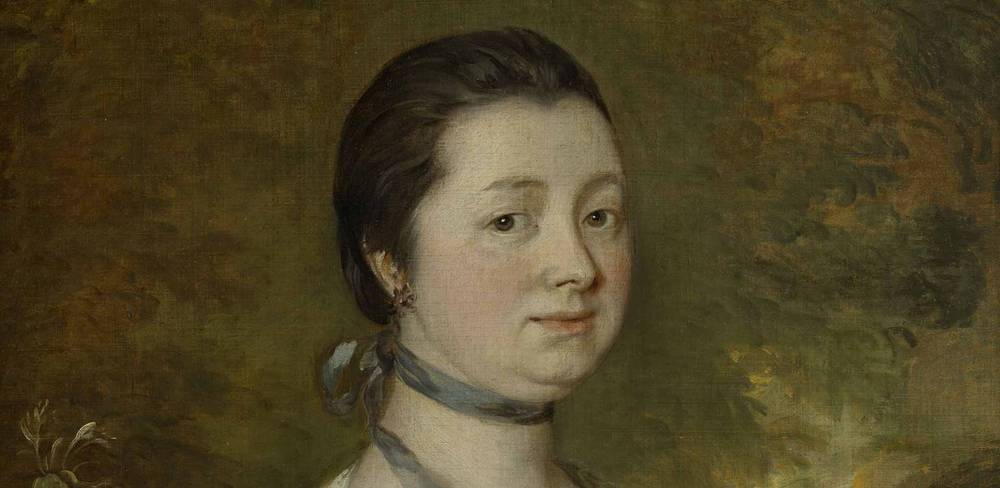
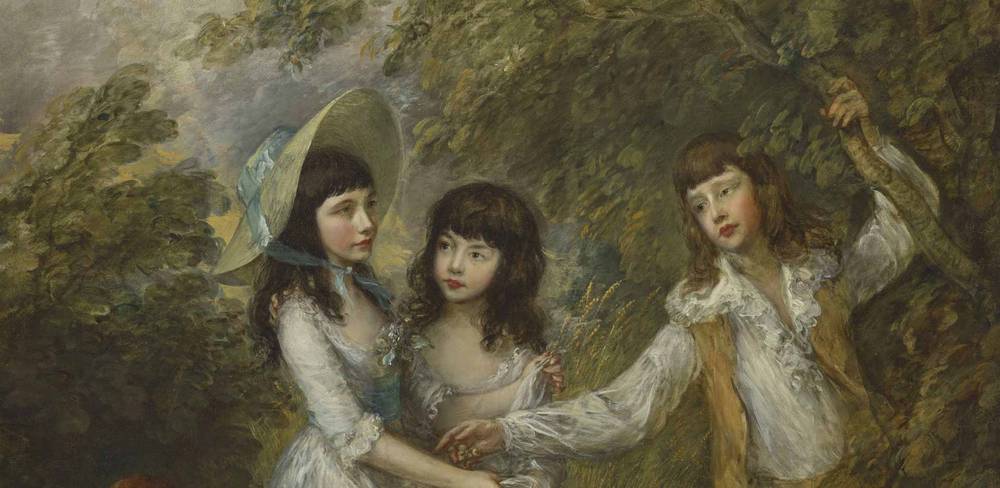
Why Berlin? Berlin’s Gemäldegalerie owns five of Gainsborough’s notable individual and group portraits, including the early portrait of his wife Margaret (c. 1759), a life-sized portrait of steel manufacturer John Wilkinson (c. 1775) and the monumental group portrait of The Marsham Children (1787). The latter is among the most free-spirited imagery of his late work. A fondness for Gainsborough and his British contemporaries can be traced back to a cultural event in Prussian history:
In 1908, an extensive loan exhibition of more than 100 English paintings, mainly from British private collections, was held at the Prussian Academy of Arts in Berlin. The exhibition resulted from cultural and diplomatic efforts intended to improve the strained relationships between the dynastically closely related royal houses of Great Britain and Prussia. Numerous spectacular works by the British School, then little known on the European mainland, were shown there.
The popularity and success of the exhibition led Wilhelm von Bode and his successors to build up a first-rate collection of British painting from the 18th and early 19th centuries, which remains unparalleled in Germany to this day. In addition to Gainsborough’s art, the collection includes significant works by Joshua Reynolds, Johan Zoffany and Richard Wilson, some of which will also be on view in the special exhibition.
A Walk in Greenery
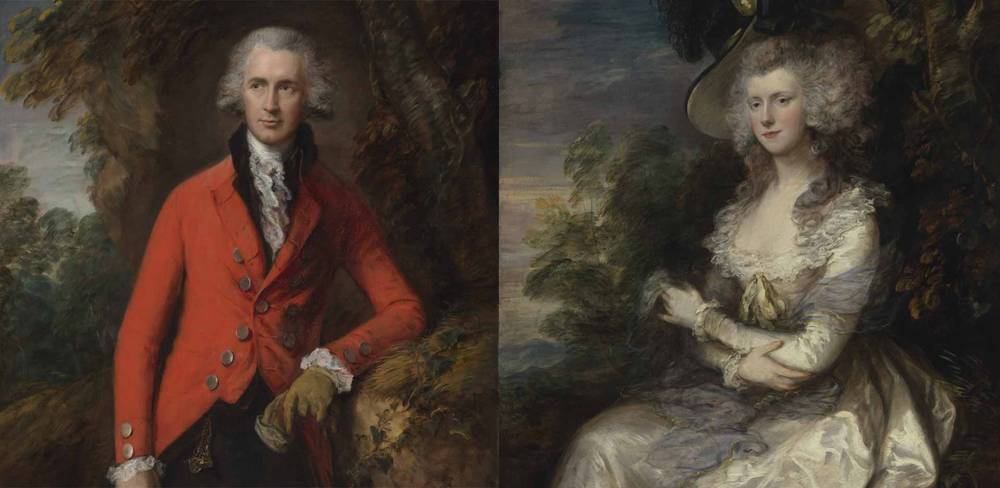
Thomas Gainsborough is today likely the most popular English painter of his time, because of his free-spirited style. He transformed the dignitaries of the Baroque era, who had been positioned like statues before massive columns and heavy velvet curtains, into casually elegant people strolling outdoors. Gainsborough drew inspiration from his great role model, Anthony van Dyck, among others, and initiated a new look in portrait painting, which can be considered the most popular genre of the 18th century.
His strollers are in motion, but pause, and meet viewers at eye level. They exude a natural immediacy and presence. Gainsborough understood his models not only as representatives of society, but rather as individuals within a wider natural context. While doing so, he touched on fundamental questions of the Enlightenment and developed a pictorial language whose modernity still resonates today.
Tradition and a New View
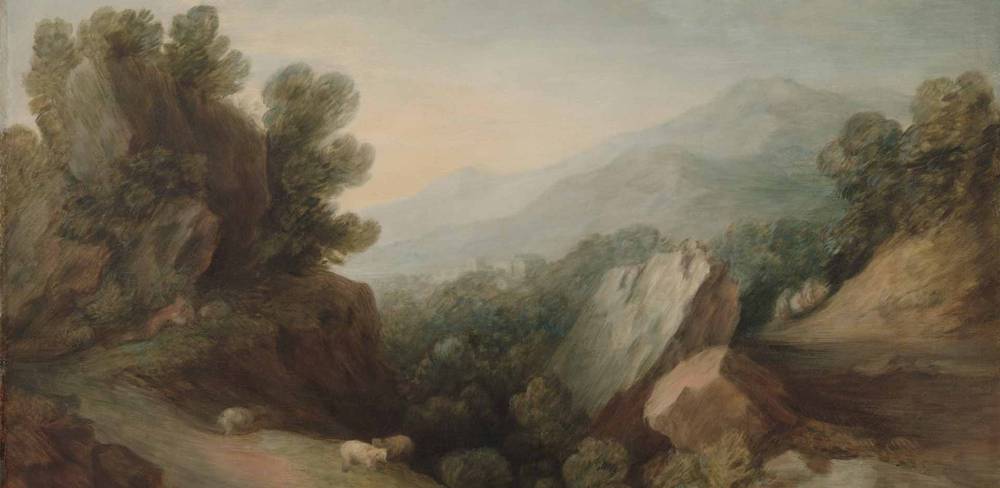
Gainsborough’s depictions of trees and gently winding forest paths are not by-products of his artistic oeuvre. He was the first painter of his time to elevate the English landscape into an autonomous subject in its own right, thereby marking the beginning of a profound interest in the genre among subsequent generations of British artists.
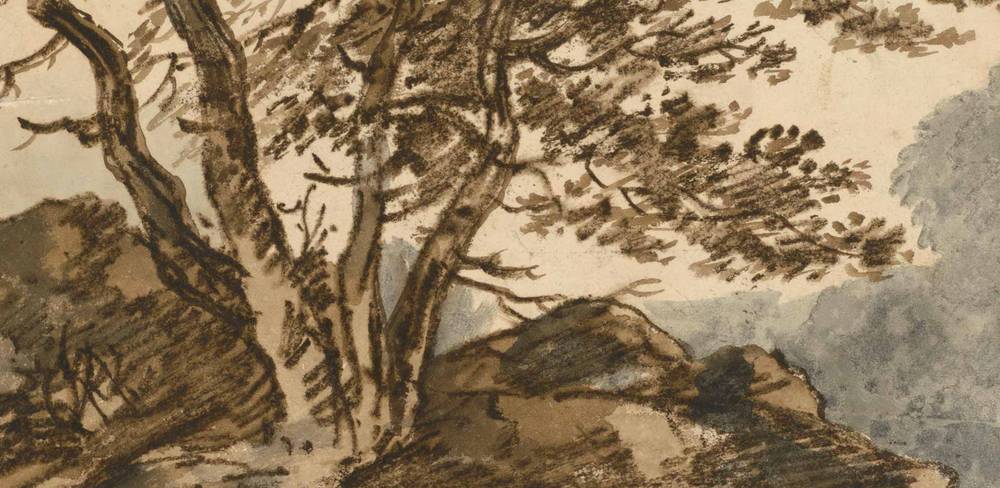
His intense study of nature has come down to us through countless drawing studies that were made during excursions in his native South England. Like his portraits, Gainsborough also incorporated painterly influences into his landscape paintings, which, thanks to the Gemäldegalerie’s outstanding collection, can be illustrated through meaningful juxtapositions with works by Jacob van Ruisdael, Peter Paul Rubens and Gaspard Dughet.
Free Brushstrokes
With his free, almost impetuous brushstrokes, Gainsborough transforms the canvas into a shimmering cosmos of colour, light and air, already pointing the way to Impressionism’s plein air painting. Drawing studies from the Kupferstichkabinett (Museum of Prints and Drawings) ‒ Staatliche Museen zu Berlin make it possible to discover the artist as a virtuoso draughtsman of landscapes and figural studies, and to watch him at work during the creative process, as if looking over his shoulder.
Audio Guide
Particular attention is paid to the stories behind the paintings. In a specially produced audio guide, Gainsborough’s sitters are given a voice: they provide everyday accounts, discussing their hopes and lives in colonial Great Britain on the brink of industrialisation. A vivid image of the epoch emerges, in which art, society and their relationship to nature were radically transformed. The self-guided tour is accompanied by a soundtrack that invites visitors to stroll leisurely through the exhibition.
Exhibition Catalogue
A richly illustrated catalogue with in-depth essays accompanies the exhibition.
Outreach Programme
The exhibition opens on 14 May 2027 – exactly 300 years after Gainsborough’s baptism – followed by a weekend of festivities. Additionally, guided tours, workshops for children and adults, holiday programmes, and lectures offer opportunities to explore the artist and his times from various perspectives.
Curator
The exhibition is curated by Sarah Salomon, curator of 18th-century European and 17th-century German painting.
A special exhibition of the Gemäldegalerie ‒ Staatliche Museen zu Berlin
Runtime: Fri, 14/05/2027 to Sun, 12/09/2027