Current language: English

Schatten Reich: The Other German Art 1933-1945

Die Ausstellung „Schatten Reich“ lenkt die Aufmerksamkeit auf Künstler*innen, wie Willi Baumeister, Jeanne Mammen oder Alexej von Jawlensky.
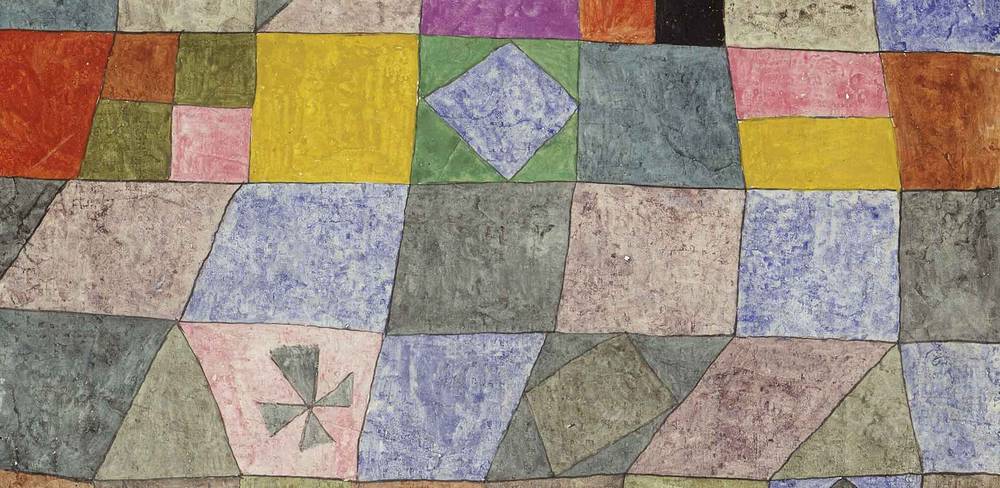
  • Paul Klee, Freundliches Spiel, 1933

    Paul Klee, Freundliches Spiel, 1933

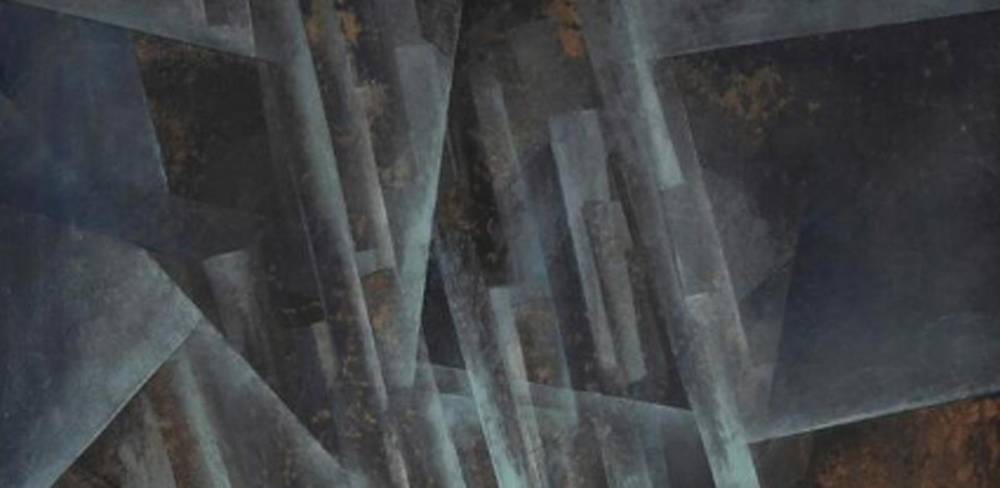
  • Fritz Winter, Lichtstrahlen, Detail, 1934

    Fritz Winter, Lichtstrahlen, Detail, 1934

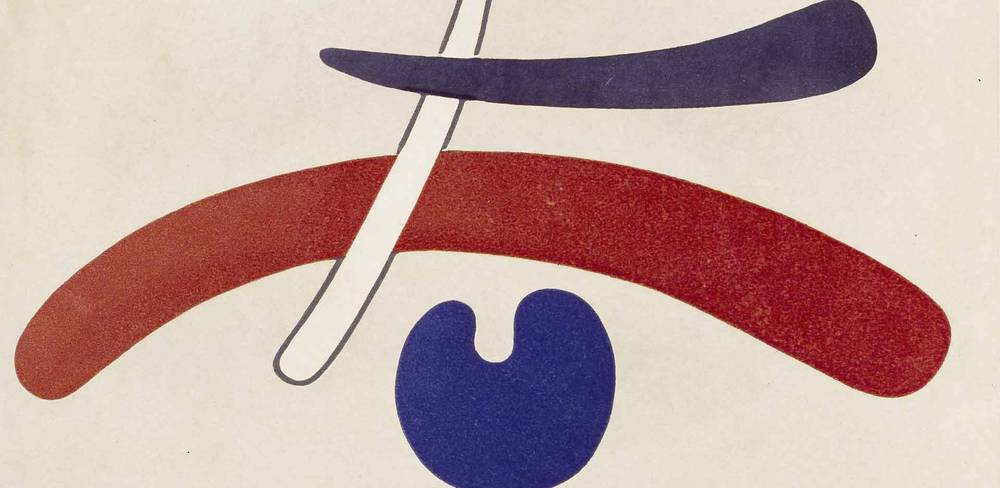
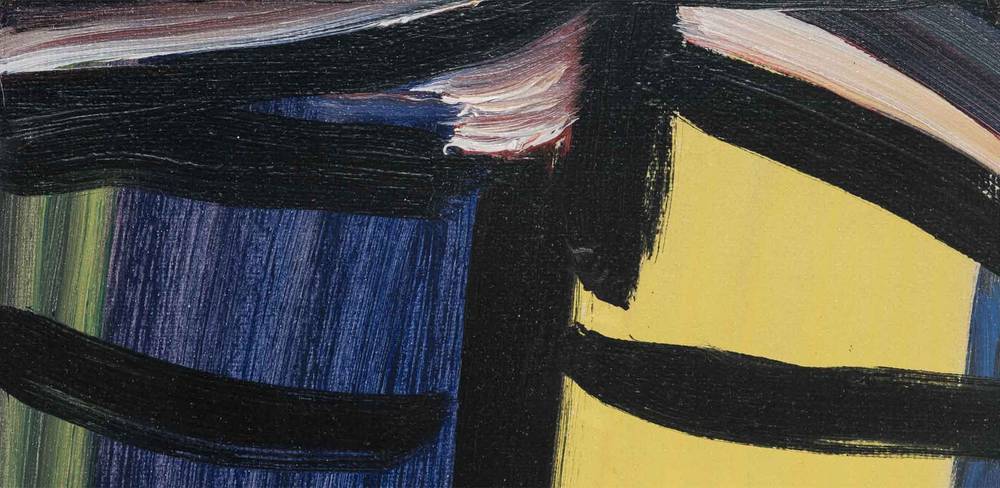
  • Willi Baumeister, Tori, Detail, 1938

    Willi Baumeister, Tori, Detail, 1938

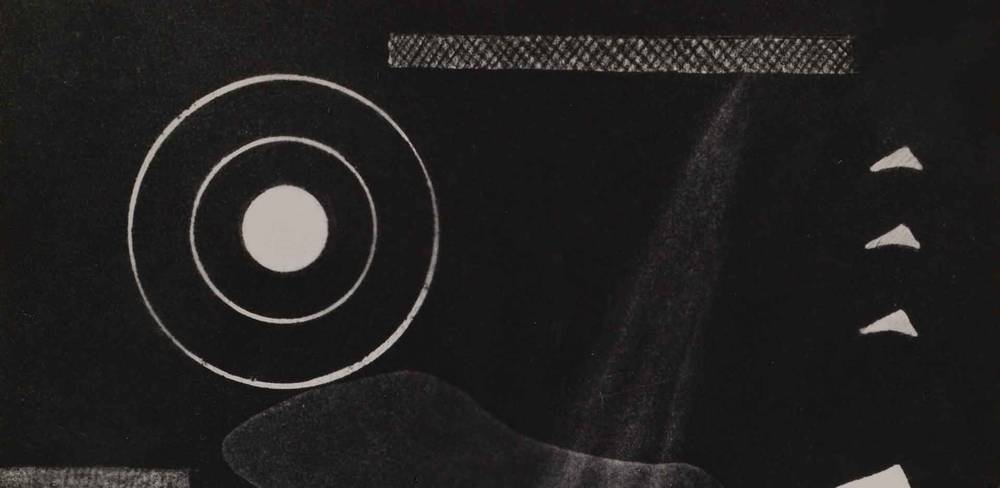
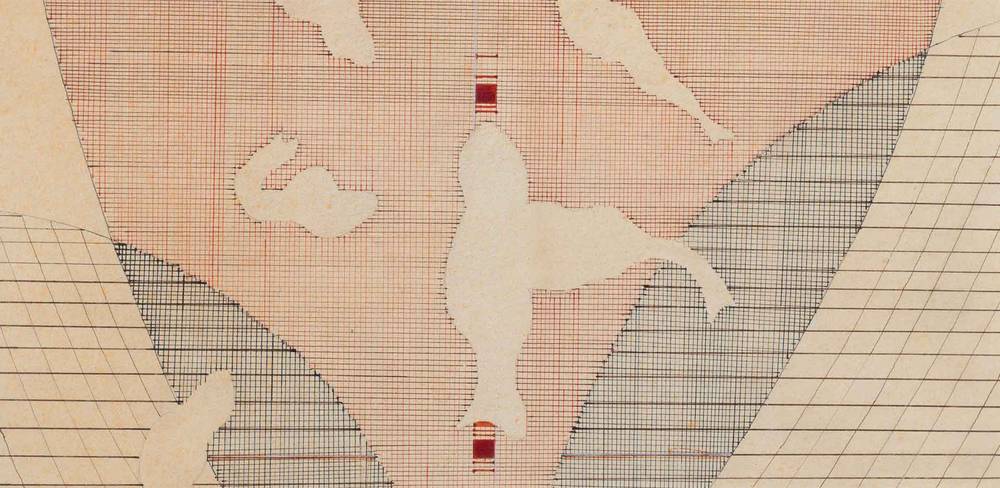
  • Marta Hoepffner, Feuervogel, Detail, 1940

    Marta Hoepffner, Feuervogel, Detail, 1940

  • Alexej von Jawlensky, Große Meditation: Johannes der Täufer (XXVII, N.10, V), Detail, 1936

    Alexej von Jawlensky, Große Meditation: Johannes der Täufer (XXVII, N.10, V), Detail, 1936

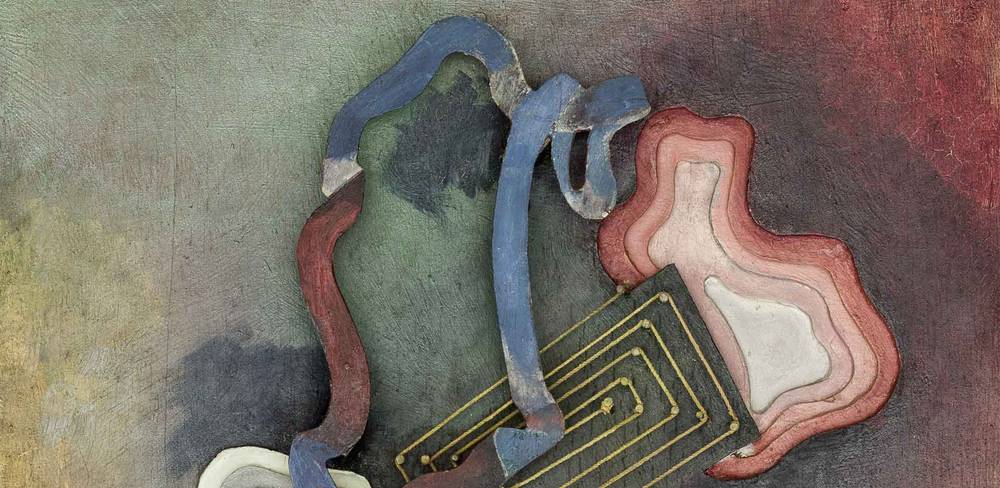
  • Ella Bergmann-Michel, Im Schokkergarn, Detail, 1937

    Ella Bergmann-Michel, Im Schokkergarn, Detail, 1937

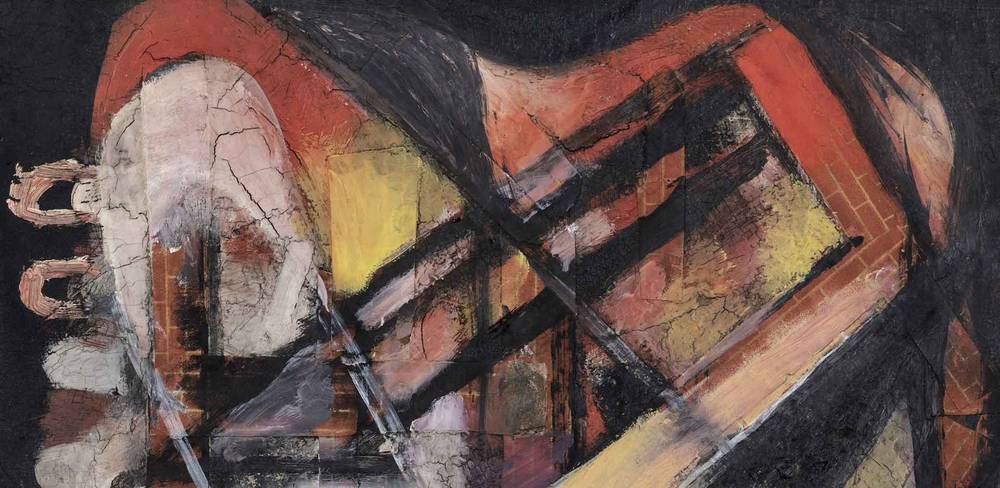
  • Jeanne Mammen, Brennendes Haus, Detail, um 1944

    Jeanne Mammen, Brennendes Haus, Detail, um 1944

  • Friedl Dicker-Brandeis, Eine negative und eine positive Form eines Kraftfeldes, 1941

    Friedl Dicker-Brandeis, Eine negative und eine positive Form eines Kraftfeldes, 1941

Tickets

The exhibition Schatten Reich draws attention to artists such as Willi Baumeister, Jeanne Mammen, and Alexej von Jawlensky, who, after the Nazi seizure of power in 1933, continued—or newly developed—their non-representational work in National Socialist Germany despite artistic defamation and the lack of exhibition opportunities throughout the 1930s and early 1940s.

The aesthetics of the 1930s and 1940s in Germany are, in our perception, dominated by the Nazis’ campaign against “degenerate art.” Under this label, the regime grouped together nearly the entire artistic avant-garde of the early twentieth century, whose work did not conform to its ideological vision of an Aryan, naturalistic art. Yet German modernism did not end in 1933—it continued in secret.

In mid-1930s Germany, anyone who dared to work in a purely abstract style in defiance of the doctrine of aesthetic conformity often faced consequences such as being barred from exhibiting or being removed from public office. Due to political restrictions, many artists downplayed their production, ceased working, or sought refuge in exile.

Following an introductory section on artists who emigrated after 1933—including Kurt Schwitters, Paul Klee, and Wassily Kandinsky—the exhibition focuses primarily on those artists who remained in Germany and continued working despite the Nazi condemnation of modernism. Only rarely was their adherence to an abstract formal language a conscious act of resistance against Nazi cultural policy. Their motivations were varied.

From the mythical abstract works of Willi Baumeister and Fritz Winter, through the expressive works of Alexej von Jawlensky and Jeanne Mammen, the experimental photographs of Marta Hoepffner, the organic sculptures of Karl Hartung and the abstract textile works of Woty Werner, to the geometric constructions of Dresden-based Hermann Glöckner or those of former Bauhaus member Ella Bergmann-Michel, the great diversity of abstract forms of expression during the Nazi era in Germany is evident.

Exhibition Credits
Curated by Maike Steinkamp and Florian Illies Curatorial Assistant: Noor van Rooijen Exhibition Coordination: Luna Mignani

This project is supported by: Willi Baumeister Stiftung (exhibition), Deutsche Nationalstiftung / ZEIT-Stiftung Bucerius (education program), Alfried Krupp von Bohlen und Halbach-Stiftung (catalog), Berthold Leibinger Stiftung (exhibition), Ernst von Siemens Kunststiftung (exhibition)
A special exhibition by the Nationalgalerie – Staatliche Museen zu Berlin

Runtime: Fri, 29/01/2027 to Sun, 02/05/2027

Takes place here:

Tickets

The help page for the event calendar answers common questions.. Information about coperations and imprint can be found on our page about partners and terms and conditions.