Current language: English

2101 – Future Ceramics

Dining Culture of the Future

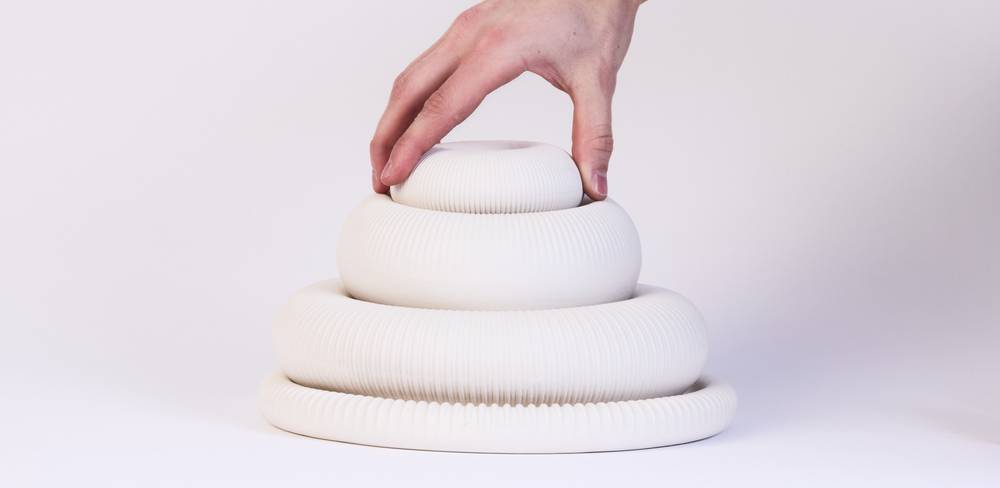
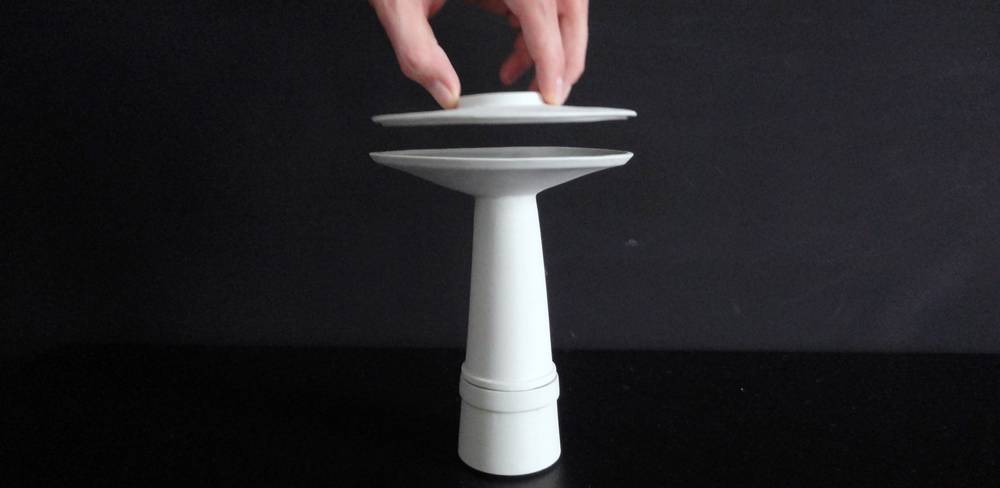
  • Jannes Bock, Tischgeschirr „Cielo“, 2026, Biskuitporzellan

    Jannes Bock, Tischgeschirr „Cielo“, 2026, Biskuitporzellan

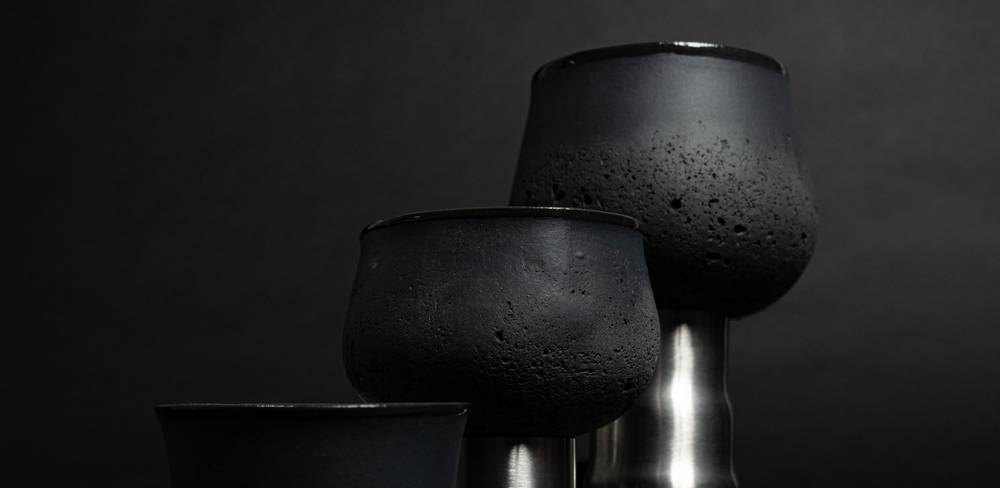
  • Samuel Fiedler, Trinkgefäße „Artefakte des Widerstands“, 2026, Porzellan und Metall

    Samuel Fiedler, Trinkgefäße „Artefakte des Widerstands“, 2026, Porzellan und Metall

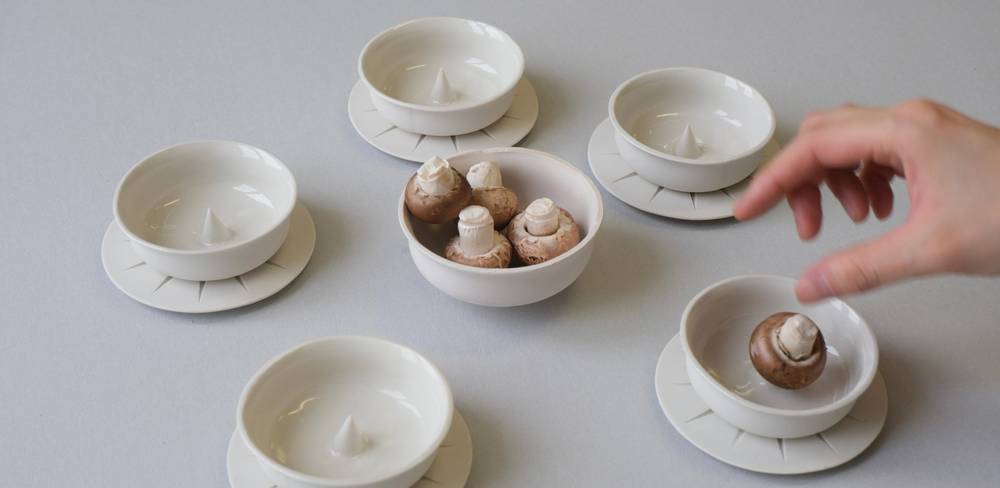
  • Seyoung Chon, Trinkschalen „Fungen“, 2026, Porzellan, teilweise glasiert

    Seyoung Chon, Trinkschalen „Fungen“, 2026, Porzellan, teilweise glasiert

  • Mona Mei, Leander Heinisch, OT, 2026, Biskuitporzellan

    Mona Mei, Leander Heinisch, OT, 2026, Biskuitporzellan

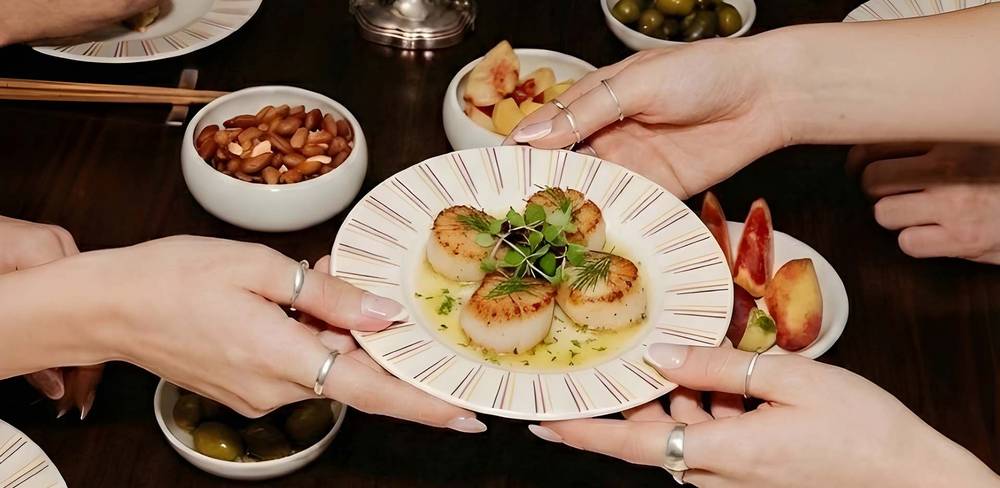
  • Jan Cichon, Tischgeschirr „The Open Seat“, 2026, Porzellan, teilweise glasiert und bemalt

    Jan Cichon, Tischgeschirr „The Open Seat“, 2026, Porzellan, teilweise glasiert und bemalt

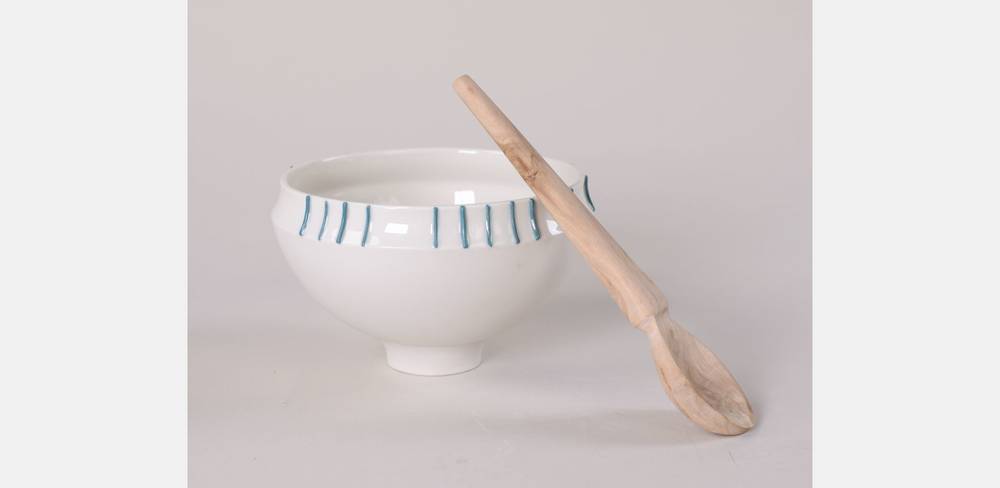
  • Erik Kollmorgen, Yuval Kazes, Klangschale „D'UOMO“, 2026, Porzellan, teilweise glasiert

    Erik Kollmorgen, Yuval Kazes, Klangschale „D'UOMO“, 2026, Porzellan, teilweise glasiert

How will people live in the future? How will they eat and drink, and what forms of everyday dining culture might have emerged by the year 2101? Students at the Berlin University of the Arts (UdK) delved into these questions as part of the seminar 2101 – FUTURE CERAMICS | Dining Culture of the Future. Twelve of their works are now on display at Berlin’s Kunstgewerbemuseum (KGM, Museum of Applied Arts).
Drawing on speculative scenarios, the students designed experimental tableware that reflects possible future forms of social life. In addition to traditional design processes, they also used AI-powered tools to visualise and narrate their conceptions of the future. Ceramic, in particular porcelain, served as the primary material – chosen for its durability, sustainability and cultural significance.
Rituals often play a role in the students’ visions of the future: family gatherings have grown more important, as has the shared act of formal eating and drinking. Against the backdrop of potential future climate disasters, social alienation in densely populated megacities, and loneliness in the digital age, the students designed beverage receptacles with sound codes, vessels for the ceremonial preparation of tea, a table service that encourages sharing, and stackable dishware for novel foods such as jellies, algae and insects. Drinking goblets, aroma diffusers and – as table decorations – ornamental flower pot covers were also created, each within the context of future societal scenarios.
The works are displayed alongside historical porcelain and faience for the KGM’s collection. This fosters a dialogue between the young designers’ visions of the future and the dining culture of bygone eras.

A special exhibition of the Kunstgewerbemuseum – Staatliche Museen zu Berlin in collaboration with the Berlin University of the Arts, Department of Product Design

Runtime: Thu, 09/07/2026 to Sun, 28/02/2027

Takes place here:

The help page for the event calendar answers common questions.. Information about coperations and imprint can be found on our page about partners and terms and conditions.