© Nicolas Döring
Weekend Tips: What to Do This Weekend in Berlin
April 17 to 19, 2026: Events, festivals, exhibitions and more things to do for your perfect weekend in Berlin. more

© Nicolas Döring
April 17 to 19, 2026: Events, festivals, exhibitions and more things to do for your perfect weekend in Berlin. more
Part of:
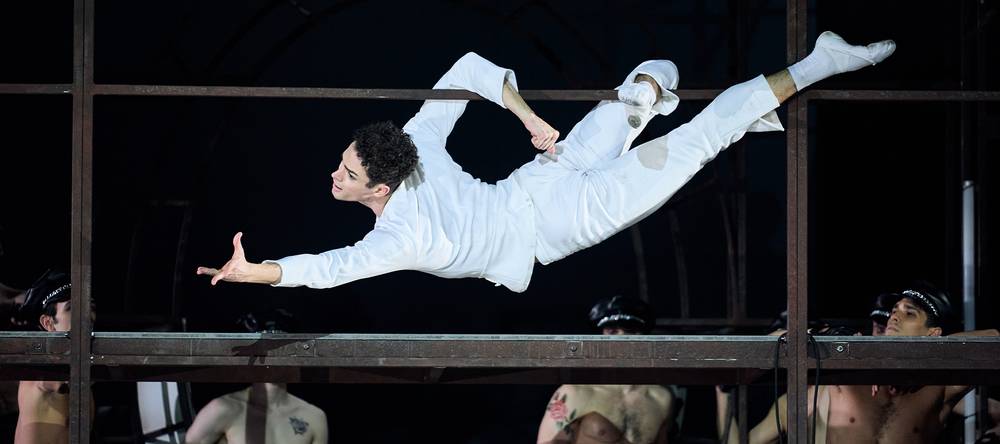
Nurejew (c) Carlos Quezada
© Carlos Quezada
Artists/Collaborators: Yuri Possokhov (Choreographie), Kirill Serebrennikov (Inszenierung und Libretto), Ilya Demutsky (Musik), Kirill Serebrennikov (Bühne), Olga Pavluk (Bühnenbild-Assistenz), Elena Zaytseva (Kostüme), Ilya Shagalov (Video), Daniil Moskovich (Licht), Dana Genshaft (Einstudierung (Tanz)), Tiit Helimets (Einstudierung (Tanz)), Yannick Sempey (Einstudierung (Tanz)), Evgeny Kulagin (Einstudierung (Regie)), Ivan Estegneev (Einstudierung (Regie)), Dominic Limburg (Musikalische Leitung), Vocalconsort Berlin, Orchester der Deutschen Oper Berlin, Odin Lund Biron (Schauspieler), Aleksandra Meteleva (Mezzosopran), Iwan Borodulin (Countertenor), Joel Allison (Bariton), Joel von Lerber (Harfe), Martin ten Kortenaar (Nurejew), Matthew Knight (Der Schüler), Aurora Dickie (Die Diva), Bruna Cantanhede (Die Ballerina), Cohen Aitchison-Dugas (Erik), Haruka Sassa (Margot)
Runtime: Sat, 18/04/2026 to Sun, 26/04/2026
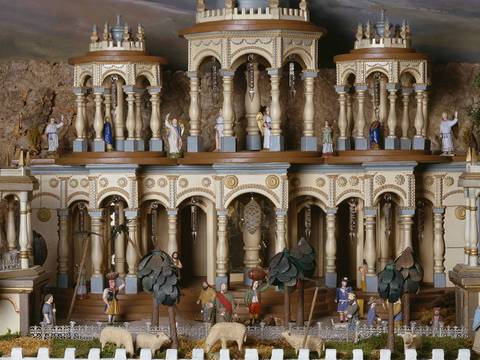
© Staatliche Museen zu Berlin, Museum Europäischer Kulturen / Ute Franz-Scarcigalia; CC NC-BY-SA
One highlight in the permanent exhibition at the Museum of European Cultures is the mechanical 'Weihnachtsberg', a giant nativity scene set in a hillside town that originates from the Erzgebirge, near the border of Germany and the Czech Republic, in the... moreabout: The Giant Mechanical Nativity Scene from the Ore Mountains
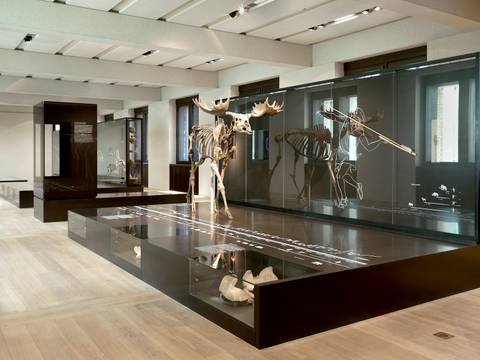
© Staatliche Museen zu Berlin, Museumfür Vor- und Frühgeschichte / Juliane Eirich
On the upper floor, the 'Museum of Prehistory and Early History' takes visitors on a tour through the oldest eras of human history. With its unique collections on the prehistory and ancient history of Europe and near-lying regions of Asia, the museum... moreabout: Back! Stone Age. Bronze Age. Iron Age
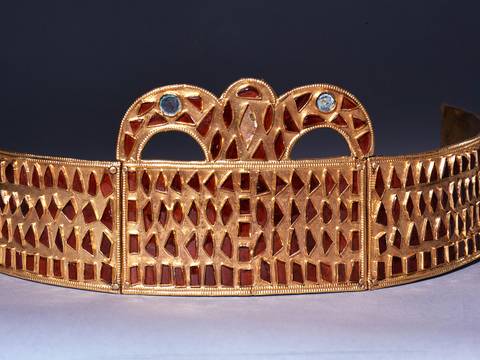
© Römisch-Germanisches Museum/Rheinisches Bildarchiv Köln
Gold jewellery from the migration period found near the Black Sea, silver brooches and magnificent belts from early medieval graves in France, Italy, Spain, and Germany: selections from the collection of Johannes von Diergardt will be on view again in... moreabout: The Crown of Kerch
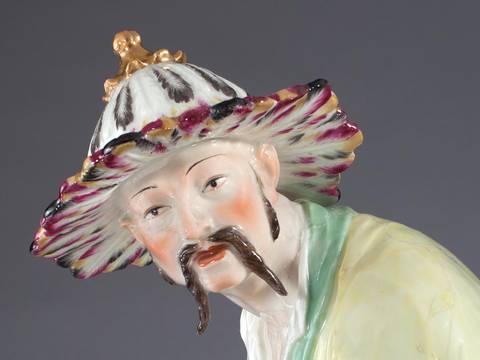
© Staatliche Museen zu Berlin, Kunstgewerbemuseum / Fotostudio Bartsch, Berlin
The eighteenth century was the century of porcelain. Princes, aristocrats and the well-to-do bourgeoisie were absolutely addicted to this “white gold”. People would even speak of the maladie de porcelain. Those who couldn’t afford genuine porcelain turned... moreabout: The Worlds of Rococo
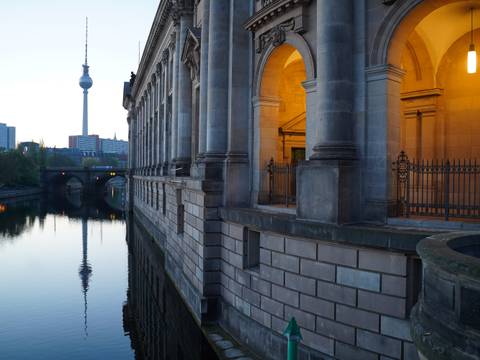
© dpa
A cooperation of Berlin's Gay Museum and the Bode Museum, "All Forms of Love" casts a second look on works in the Bode collection that deal with the diversity of sexual identities and LGBTIQ life in art from previous eras. moreabout: The Second Glance: All Forms of Love
The help page for the event calendar answers common questions.. Information about coperations and imprint can be found on our page about partners and terms and conditions.