© dpa
Weekend Tips: What to Do This Weekend in Berlin
September 18 to 20, 2026: Events, festivals, exhibitions and more things to do for your perfect weekend in Berlin. more

The exhibition presents a selection of about 100 Flemish Baroque drawings from the Kupferstichkabinett (Museum of Prints and Drawings) collection.

Anton van Dyck, Die Vermählung der heiligen Katharina, Detail, 1618–21
© Foto: Staatliche Museen zu Berlin, Kupferstichkabinett / Volker-H. Schneider
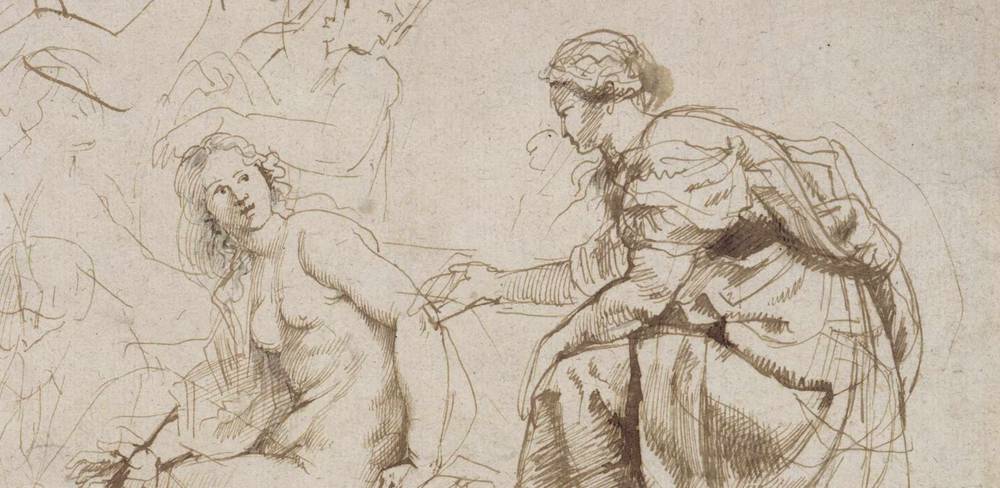
Peter Paul Rubens, Bathseba erhält das Schreiben Davids, Detail, 1612–1614, Feder in Braun, Pinsel in Grau
© Foto: Staatliche Museen zu Berlin, Kupferstichkabinett / Jörg P. Anders
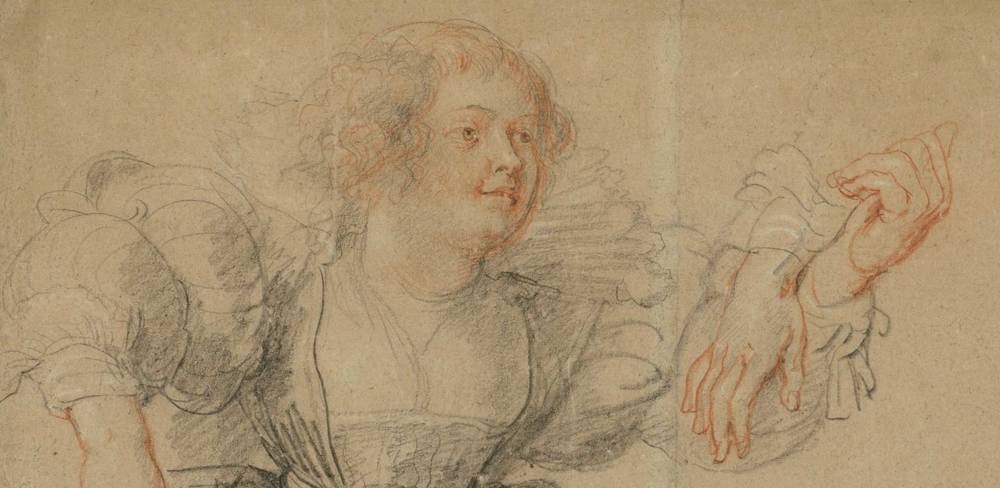
Peter Paul Rubens, Figurenstudie zum Liebesgarten, Detail, um 1631/32, schwarze Kreide, Rötel, mit weißer Kreide gehöht
© Foto: Staatliche Museen zu Berlin, Kupferstichkabinett / Dietmar Katz

Jacob Jordaens, Christus und die reuigen Sünder, Detail, um 1630, schwarze Kreide, Pinsel in Braun und Deckfarben
© Foto: Staatliche Museen zu Berlin, Kupferstichkabinett / Dietmar Katz

Jacob Jordaens, Mädchen mit Früchtekorb vor einer offenen Tür mit einem Liebespaar, Detail, um 1635, schwarze Kreide, Pinsel
© Foto: Staatliche Museen zu Berlin, Kupferstichkabinett / Jörg P. Anders
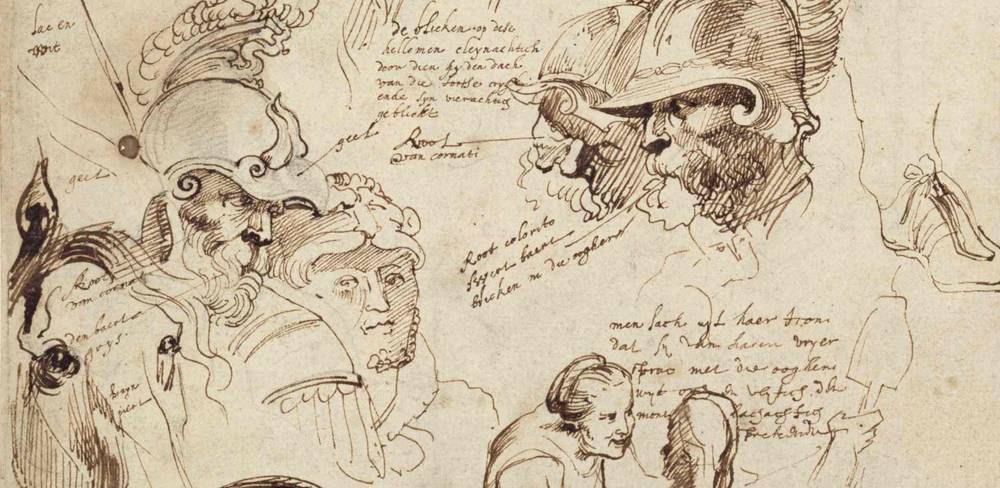
Anton van Dyck, Skizzenblatt nach einem Gemälde von Peter Paul Rubens, Detail, 1616, Feder in Braun, schwarze Kreide
© Foto: Staatliche Museen zu Berlin, Kupferstichkabinett / Jörg P. Anders
Runtime: Sat, 10/10/2026 to Sun, 31/01/2027
Takes place here:
© dpa
September 18 to 20, 2026: Events, festivals, exhibitions and more things to do for your perfect weekend in Berlin. more
The help page for the event calendar answers common questions.. Information about coperations and imprint can be found on our page about partners and terms and conditions.