© dpa
Weekend Tips: What to Do This Weekend in Berlin
June 26 to 28, 2026: Events, festivals, exhibitions and more things to do for your perfect weekend in Berlin. more

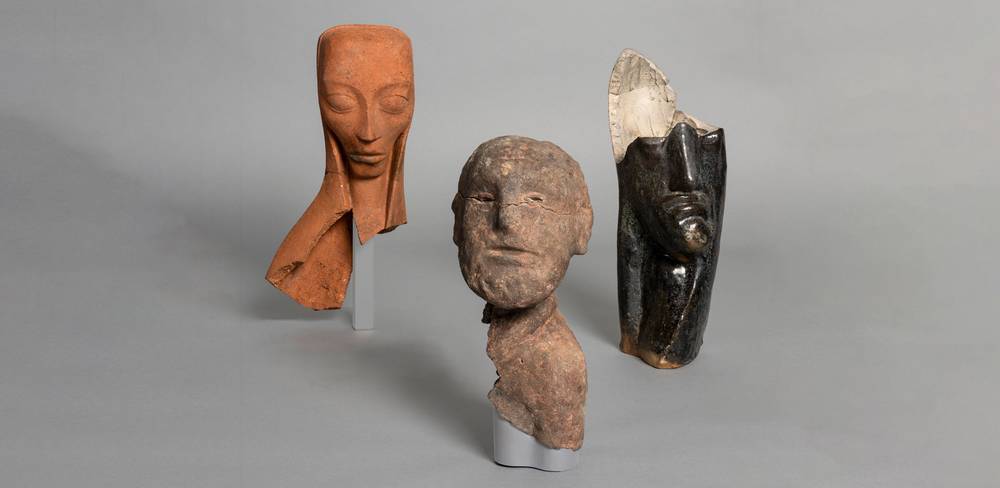
Emy Roeder, „Schwangere“, 1918; Karel Niestrath, „Frommer Mann“, 1924; Otto Freundlich, „Kopf“, 1925 (v.l.n.r.)
© Staatliche Museen zu Berlin, Museum für Vor- und Frühgeschichte / Andreas Henkel
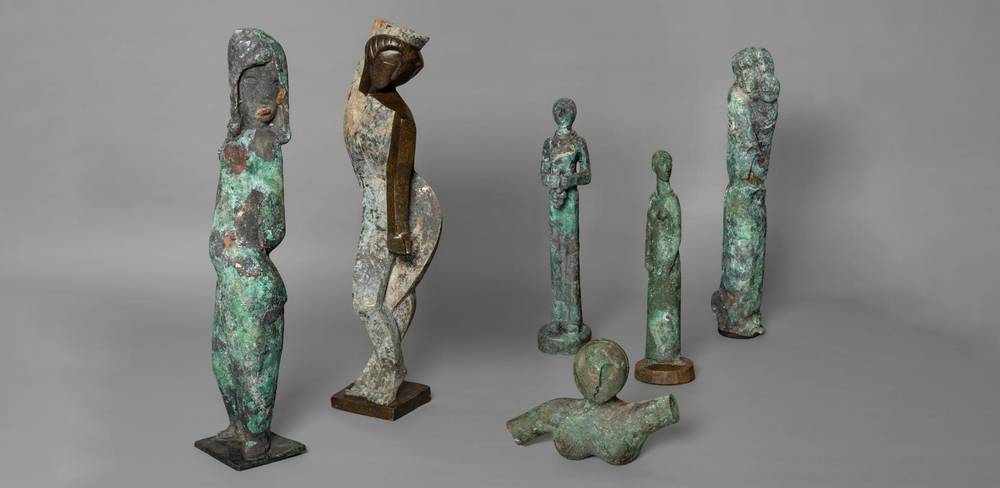
Otto Baum, „Stehendes Mädchen“, 1930; Marg Moll, „Tänzerin“, um 1930; Naum Slutzky, „Weibliche Büste“, um 1930; Karl Ehlers, „Mädchen mit Traube“, 1933; Gustav H. Wolff, „Stehende Gewandfigur“, 1925; Karl Knappe, „Hagar“, 1923 (v.l.n.r.)
© Staatliche Museen zu Berlin, Museum für Vor- und Frühgeschichte / Andreas Henkel
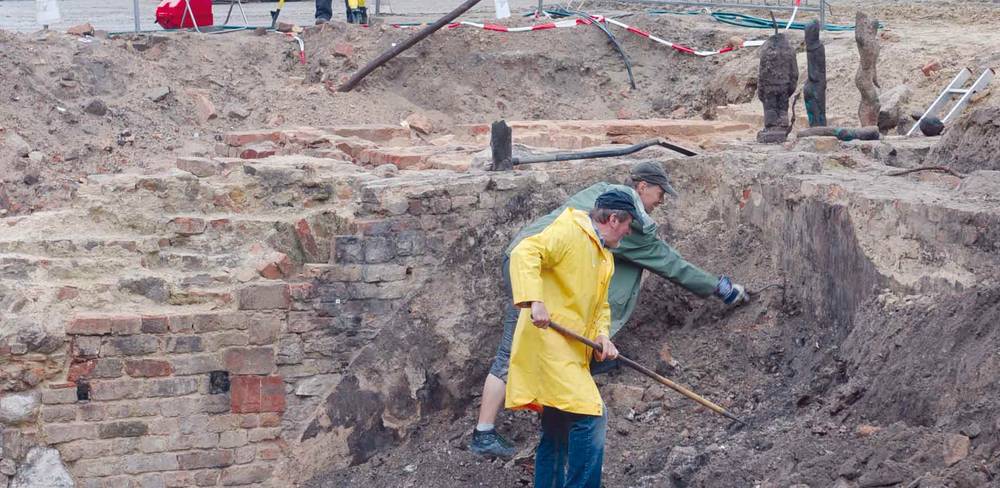
Ausgrabung im August 2010. Am Grubenrand rechts: Karel Niestrath, „Die Einfältigen“; Otto Baum, „Stehendes Mädchen“; Marg Moll, „Tänzerin“. Am Grubenrand Mitte: Otto Freundlich, „Kopf“
© Landesdenkmalamt Berlin / Manuel Escobedo
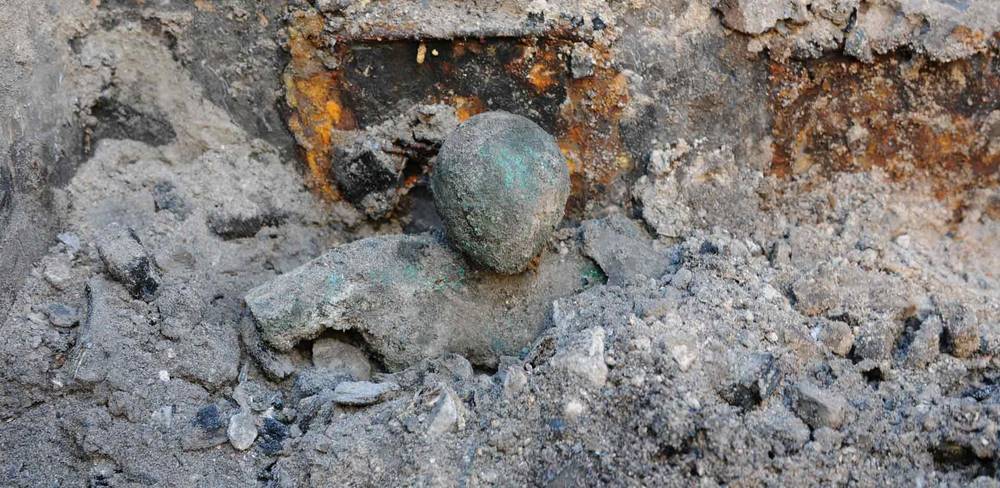
„Weibliche Büste“ von Naum Slutzky bei der Wiederauffindung im Oktober 2010
© Landesdenkmalamt Berlin / Manuel Escobedo
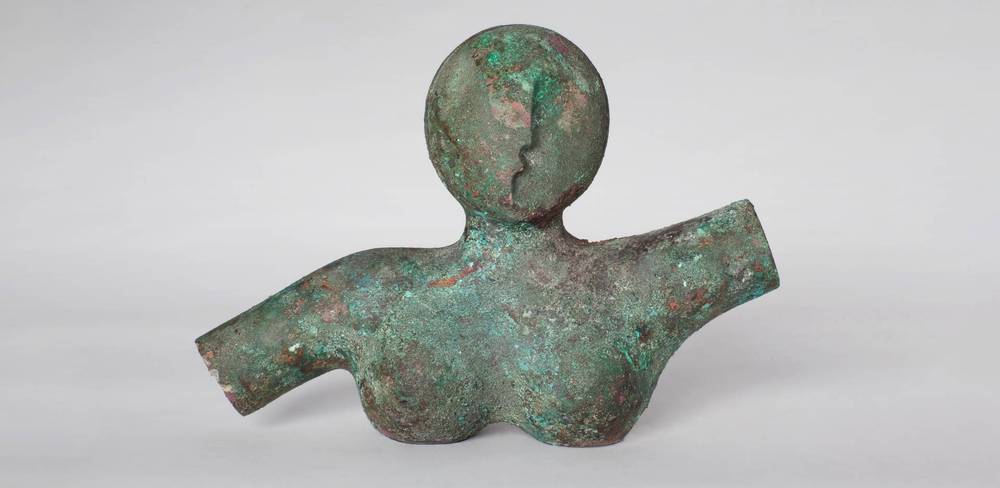
Naum Slutzky, „Weibliche Büste“, aktueller Zustand 2010
© Staatliche Museen zu Berlin, Museum für Vor- und Frühgeschichte / Achim Kleuker
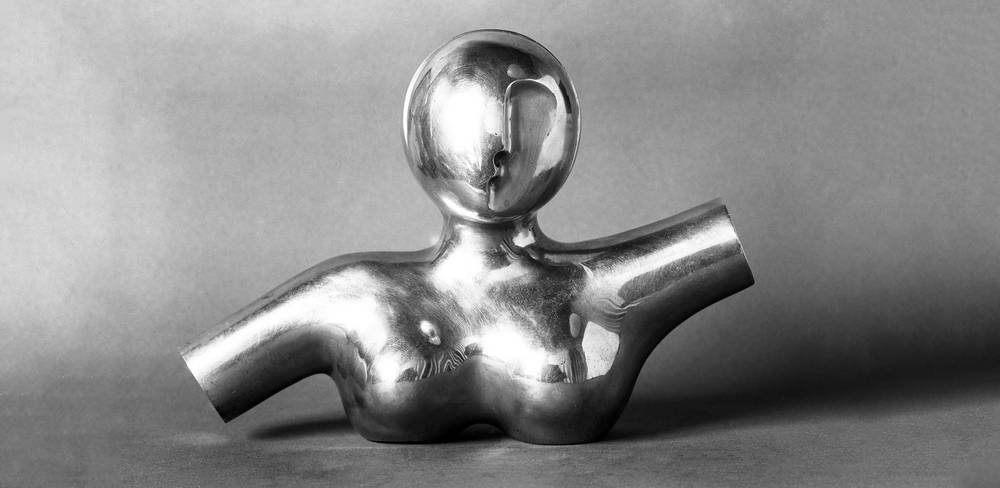
Naum Slutzky, „Weibliche Büste“, Originalzustand 1931
© Museum für Kunst und Gewerbe Hamburg
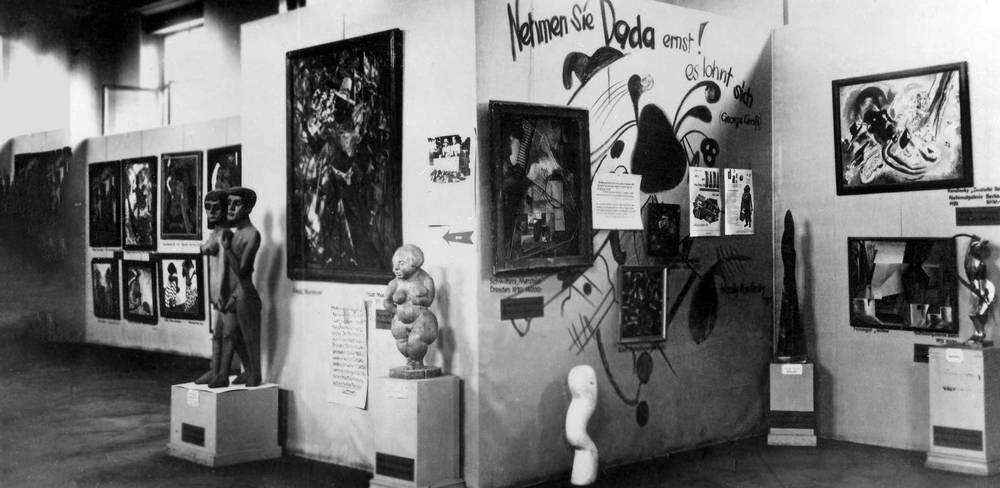
Ausstellung „Entartete Kunst“, München 1937, Dada-Wand. Mitte: Richard Haizmann, „Figur“; ganz rechts: Marg Moll, „Tänzerin“
© Zentralarchiv, Staatliche Museen zu Berlin
Runtime: from October 2025
Takes place here:
© dpa
June 26 to 28, 2026: Events, festivals, exhibitions and more things to do for your perfect weekend in Berlin. more
The help page for the event calendar answers common questions.. Information about coperations and imprint can be found on our page about partners and terms and conditions.