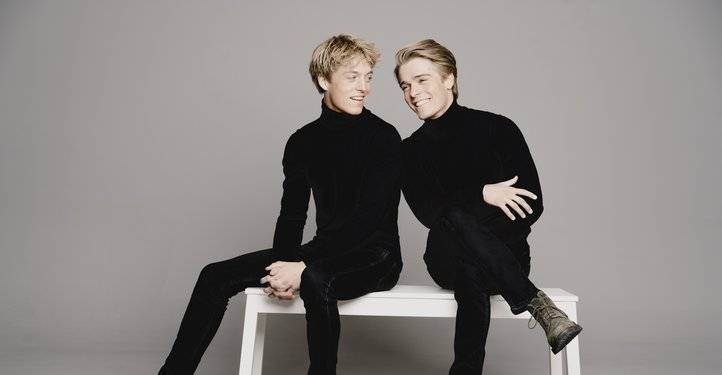
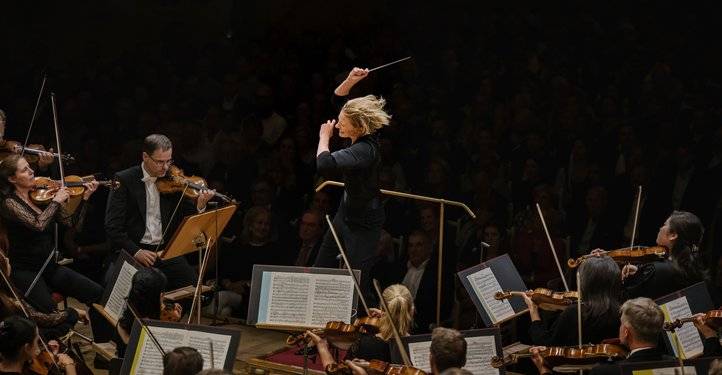
The Jussens are back – and they’re bringing music that many of you will likely be discovering for the first time: A little-known work for two pianos by the Czech composer Bohuslav Martinů. He composed it in 1943 while in exile in New York, described it as “loosely based on a Baroque concerto grosso,” and blended jazz influences with Bohemian folk music, as well as technically virtuosic passages with a meditative adagio. This is followed by “Tikkun” (2021), the final part of Sarah Nemtsov’s tetralogy “Tzimtzum,” a cycle exploring mystical concepts of creation. Between the famous Third Symphony, nicknamed “Eroica,” and the even more famous No. 5, often called the “Fate Symphony,” Beethoven’s Fourth should not simply be overlooked. Beethoven wrote it during a period of elation in his life, a feeling that, after a melancholic introduction, audibly permeates all the movements. This work comes across as friendly and cheerful, as the Konzerthausorchester Berlin and Principal Conductor Joana Mallwitz continue their cycle of Beethoven’s symphonies.
Ludwig van Beethoven - Ouvertüre zu Goethes Trauerspiel „Egmont“ f-Moll op. 84Bohuslav Martinů - Konzert für zwei Klaviere und OrchesterPauseSarah Nemtsov - „Tikkun“ für Streichorchester und Perkussion Ludwig van Beethoven - Sinfonie Nr. 4 B-Dur op. 60