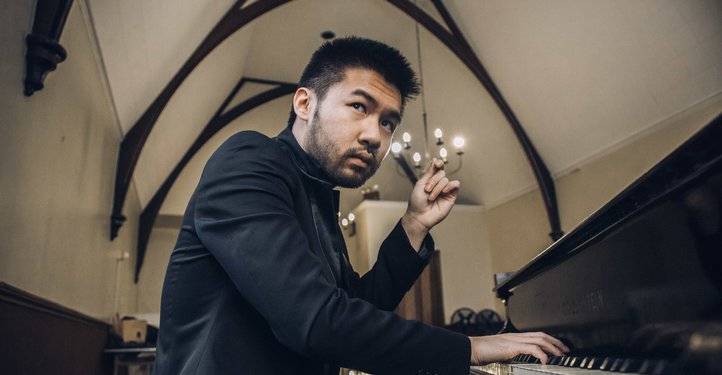
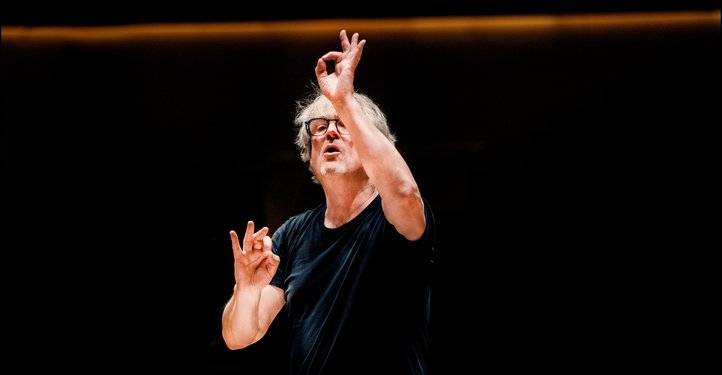
At Ingo Metzmacher's debut with the Konzerthausorchester, Stravinsky’s “Dumbarton Oaks”, a commissioned work by an American couple of patrons that premiered at their estate of the same name in 1938, is followed by John Adams’s piano concerto “Century Rolls” (1997), featuring the young pianist Conrad Tao. After this American-themed first half, the stage in the Great Hall will be packed, as Richard Strauss is on the programme: “Thus Spoke Zarathustra” is “by far the most significant, the most perfectly formed, the most interesting, and the most distinctive of my works,” the composer declared. After the dress rehearsal in 1896, he was apparently very pleased with himself. Zarathustra, the hermit-like prophet in Friedrich Nietzsche’s much-discussed text that inspired the musical work, was in a completely different mood, though. He visited people to tell them about higher truths—and, of course, they refused to listen to him. Richard Strauss’s symphonic poem, however, is so magnificent that one simply cannot help but listen to it—and thereby, indirectly, to Nietzsche’s underappreciated and often misunderstood prophet!
Igor Strawinsky - „Dumbarton Oaks“ – Konzert für Kammerorchester in EsJohn Adams - „Century Rolls“ für Klavier und OrchesterPauseRichard Strauss - „Also sprach Zarathustra“ – Sinfonische Dichtung (nach Friedrich Nietzsche) op. 30